3 hr
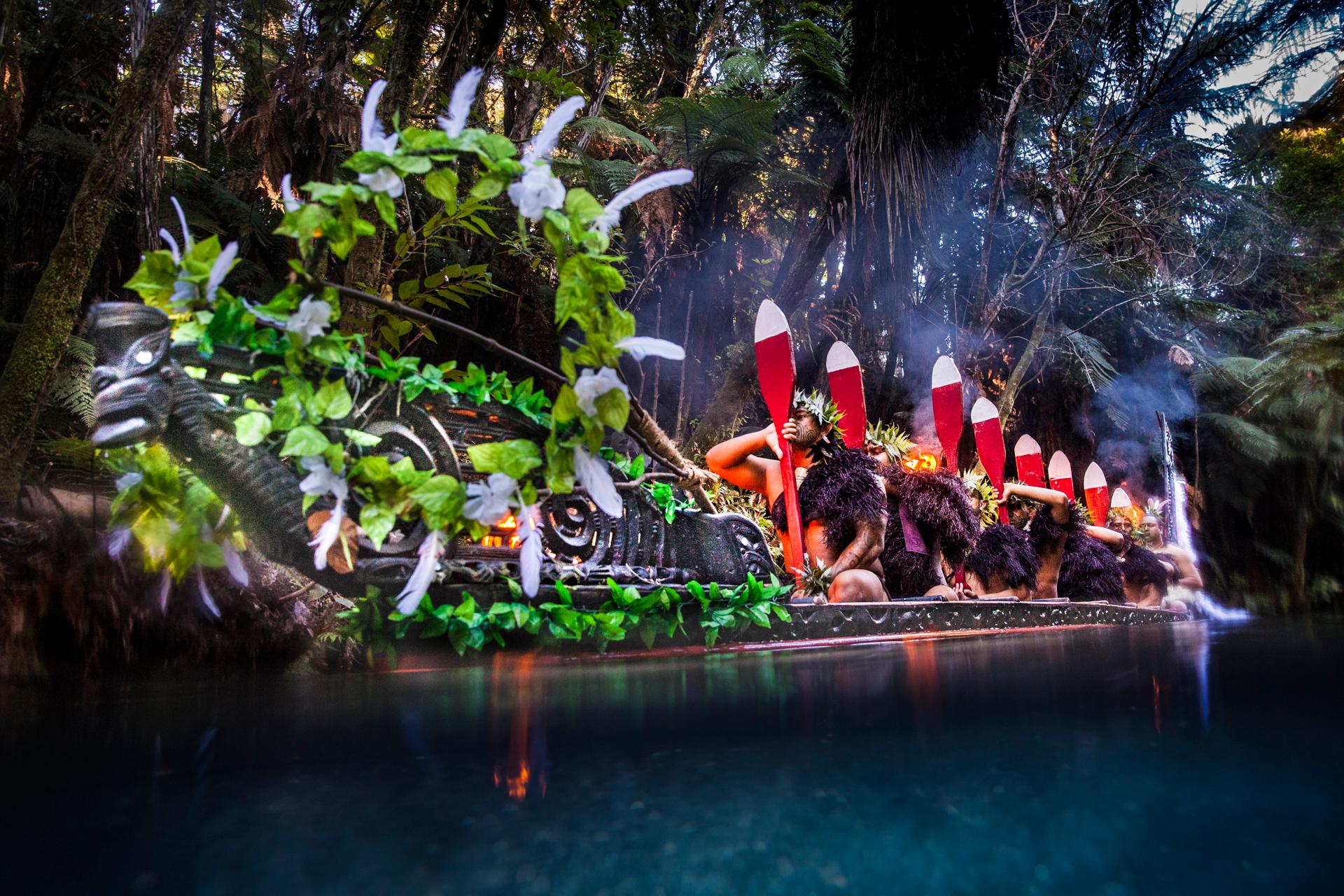
Mitai Maori Village Cultural Evening with Traditional Hangi Feast
Discover authentic Māori traditions in a natural forest setting with warriors, performances, and earth-oven cuisine
Reserve
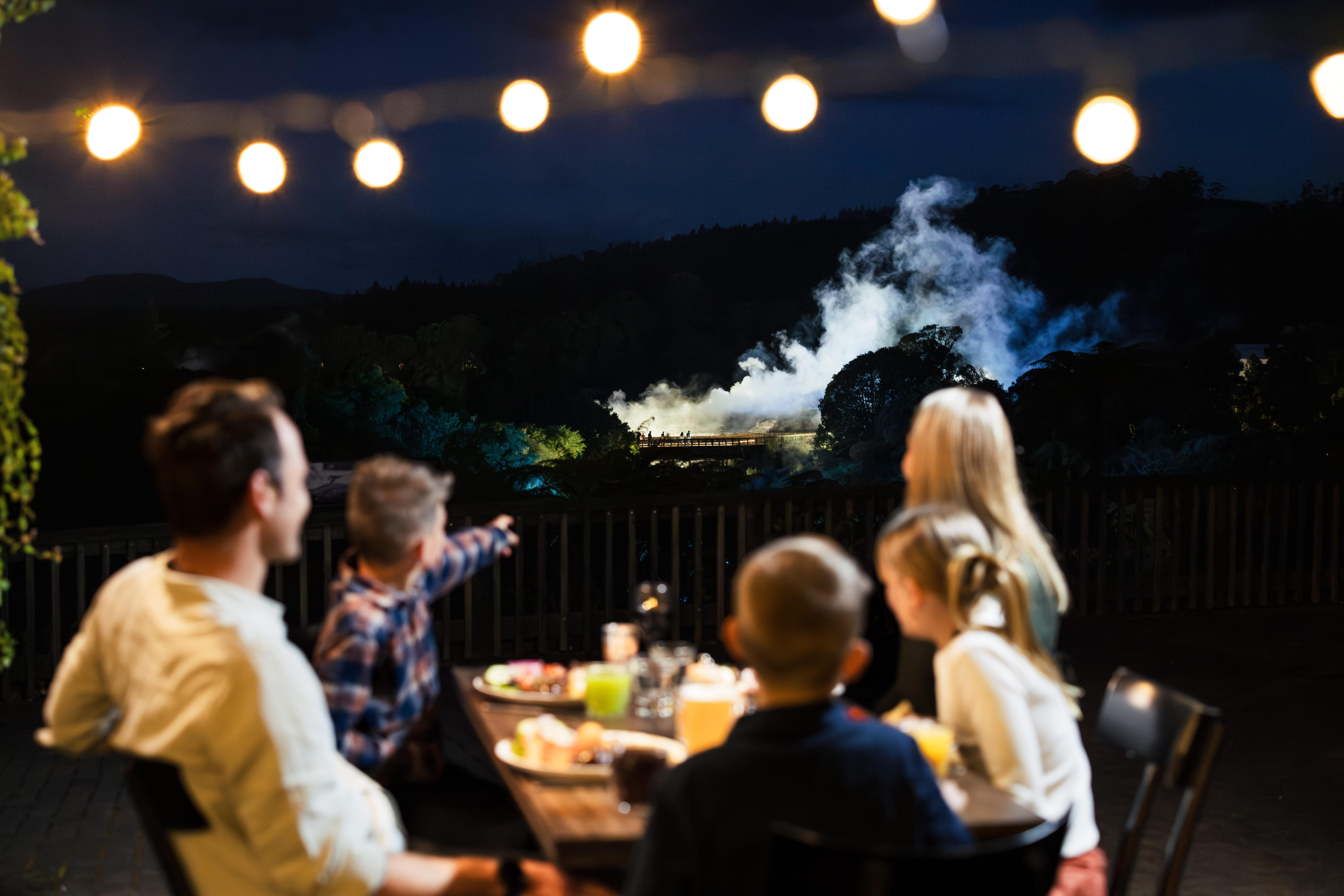
Steam rises through the valley, and the haka answers.
Hand-picked by our editors — only the best 5 experiences from 190 reviewed.
Verified partners for Rotorua Maori Show tours, free cancellation where available, and instant confirmation on every booking.
3 hr
Discover authentic Māori traditions in a natural forest setting with warriors, performances, and earth-oven cuisine
Reserve
3 hr 30 min
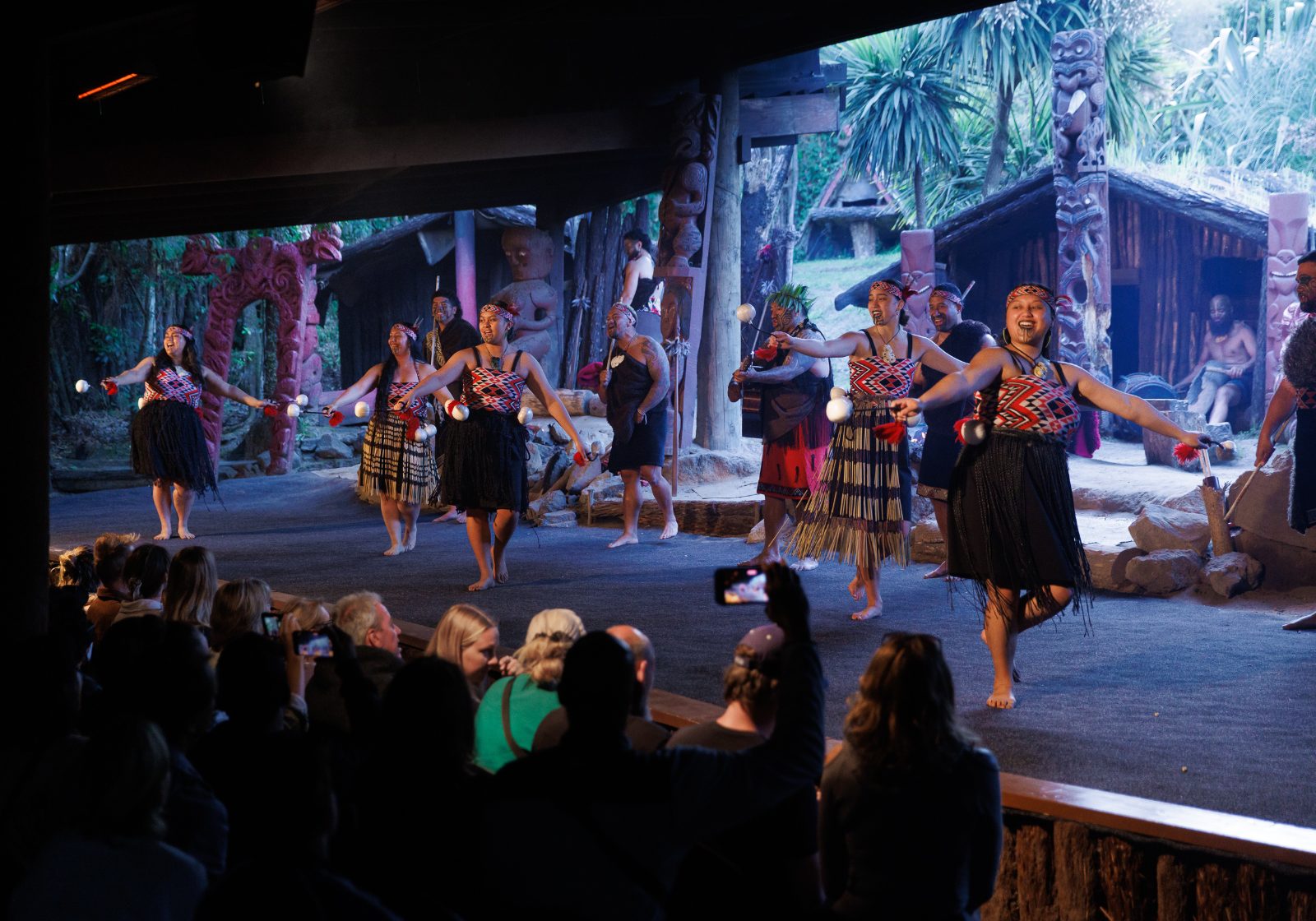
Journey into indigenous traditions with storytelling, dance, and a chef-crafted feast in a forest setting
Reserve
2 hr 30 min
Immerse yourself in authentic Māori traditions with live performances, geothermal wonders, and earth-cooked cuisine
ReservePrices from verified partners. Availability updates in real time at checkout. Free cancellation policies apply where shown.
The landmarks, rooms, and views travelers on Rotorua Maori Show tours remember — all visible on a single visit.
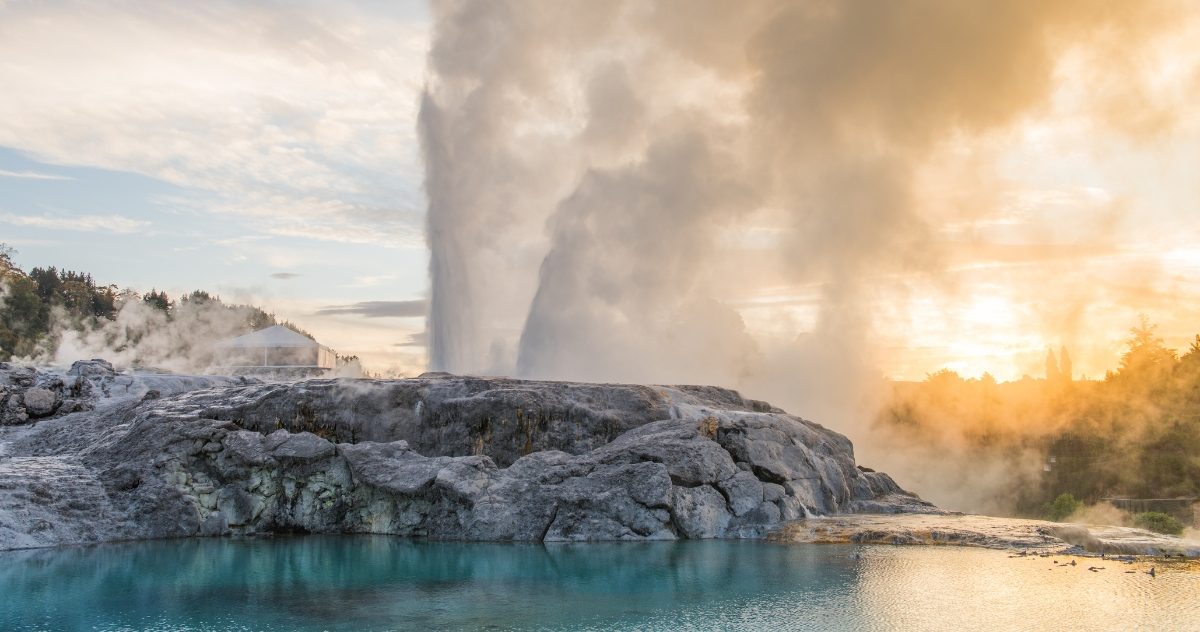
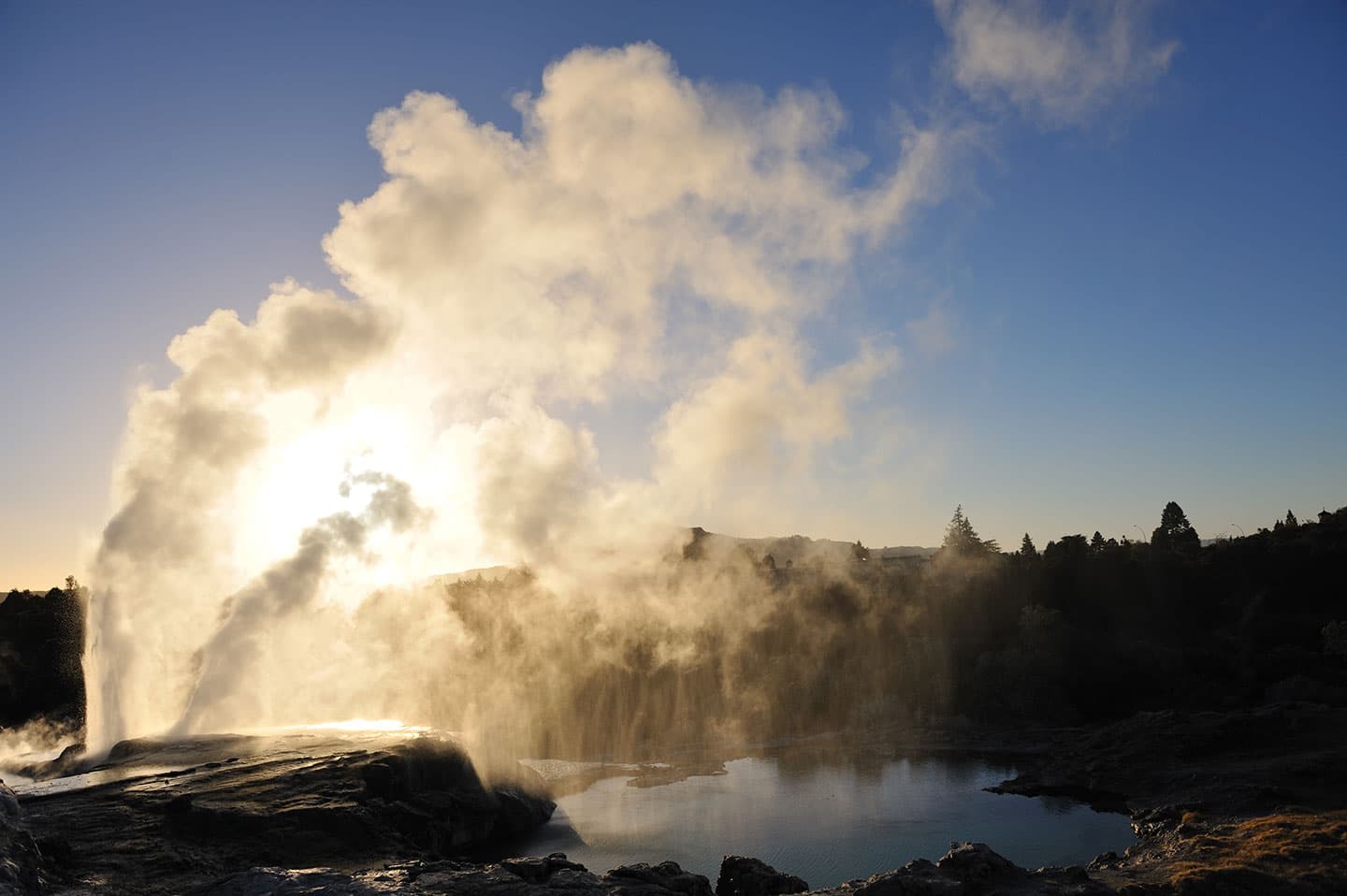
The largest active geyser in the Southern Hemisphere erupts up to 20 times per day, shooting water up to 30 meters high.
Pōhutu Geyser Rotorua
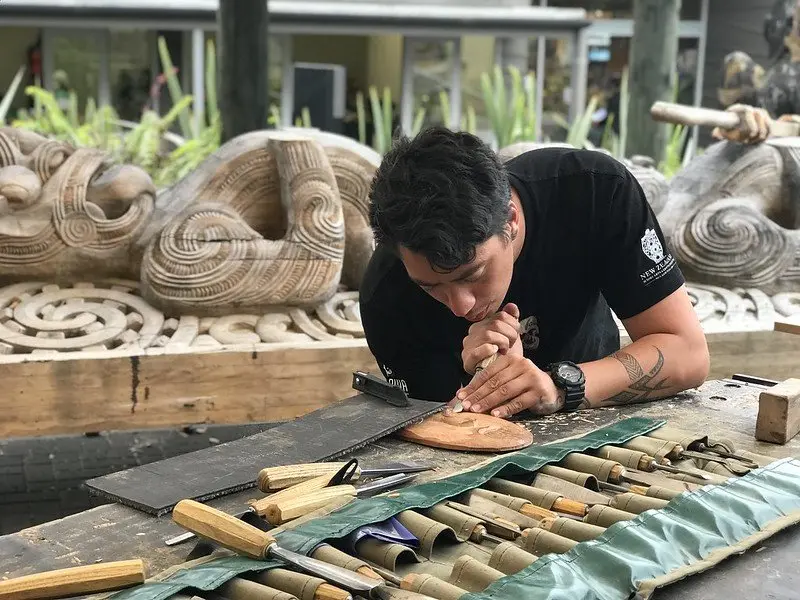
Watch master carvers and weavers pass down traditional skills at this center of cultural preservation.
Māori Arts and Crafts Institute
This state-of-the-art facility provides a nocturnal habitat for native kiwi birds, New Zealand's national treasure.
Kiwi Conservation Centre Te Puia
The valley spans a massive geothermal area with bubbling mud pools and boiling hot springs.
Te Whakarewarewa Thermal Valley
This beautifully carved meeting house serves as the heart of cultural performances and traditional welcomes.
Te Aronui a Rua meeting house
Every Rotorua Maori Show tour side-by-side — duration, what's included, how you redeem.
| Experience | Duration | Rating | Pickup | Lunch | Free cancel. | Price | |
|---|---|---|---|---|---|---|---|
|
Standard Entry Most popular
Mitai Maori Village Cultural Evening with Traditional Hangi Feast
|
3 hr | ★ 4.7 | ✓ | — | ✓ | €86 | Book → |
|
Standard Entry
Te Pa Tu Māori Cultural Evening with Fusion Dinner
|
3 hr 30 min | ★ 4.8 | ✓ | — | ✓ | €143 | Book → |
|
Standard Entry
Te Pō Evening: Māori Cultural Performance & Hāngī Feast
|
2 hr 30 min | ★ 4.7 | — | ✓ | ✓ | €103 | Book → |
All prices from verified partners. Availability and exact terms confirmed at checkout.
They complement each other; most visitors who do both call Te Puia the more thrilling choice for geothermal landscapes, while Mitai Maori Village tours offer a more intimate, performance-focused evening.
| Feature | Top pick Te Puia | Mitai Maori Village |
|---|---|---|
Primary Focus |
Geothermal & Culture | Performance & Traditions |
Experience Timing |
Daytime & Evening | Evening-focused |
Geothermal Features |
Active Valley & Geysers | None (Native Bush) |
Cultural Depth |
Arts Institute focus | Ancestral Storytelling |
Dinner Inclusion |
Available (Te Pō) | Included (Hāngī Buffet) |
Guided Tour Availability |
Full Day Guided | Evening Hosted |
| See tickets → |
Verdict: Select Te Puia if you want to combine major geothermal landmarks with your cultural visit, or choose Mitai Maori Village tickets for an immersive evening centered on ancestral storytelling and traditional dining.
Choose your ticket, select your date, and reserve in under two minutes. Secure checkout handled by our verified partner.
Instant confirmation by email, with a mobile voucher you can save offline. No printing, no queuing at a collection desk.
Arrive at the entrance, show your voucher on your phone, and walk in. Most tickets include priority or skip-the-line access.
Practical details for Rotorua Maori Show tickets straight from our verified partners — hours, access, rules, and how to get there.
Hemo Road, Rotorua 3040
Main entry for all visitors
Open in Google MapsLocated off Hemo Road with ample parking available on-site.
Readily available from central Rotorua to the main entrance.
Wear comfortable walking shoes suitable for geothermal paths and terrain. Dress in layers as weather in the valley can be variable throughout the day.
Te Puia is a completely cashless facility. All transactions at the admissions office, retail shops, and cafes must be made via credit or debit card.
Photography is permitted throughout the park, though please respect signs regarding cultural items or private areas. Commercial photography requires prior arrangement.
The valley features wheelchair-accessible paths, and complimentary wheelchairs can be requested at the ticketing office upon arrival. Staff are available to assist with navigating the geothermal areas.
Mobile phones are permitted for capturing photos and videos. Ensure devices are kept on silent during cultural performances to maintain the solemnity of the setting.
The attraction is family-friendly with educational displays at the Kiwi Conservation Centre. Children under adult supervision can explore the geothermal park safely.
Pātaka Kai Restaurant offers dining options overlooking the geothermal valley. Food and drink should only be consumed in designated areas to maintain park cleanliness.
Pets are not permitted inside the geothermal park to ensure the safety of the local wildlife and protected kiwi conservation areas.
The 105 NZD entrance fee covers the Te Rā Guided Experience, which provides expert insight into the geothermal and cultural significance of the site.
Best time to go, insider tips, nearby landmarks, and the cancellation fine print — flip through to skim what matters to you.
How crowds, weather, and events shift across the year.
December–February offers warm weather ideal for walking the valley paths. Expect higher visitor numbers during these months.
March–May features mild temperatures and beautiful foliage around the geothermal pools.
June–August is cooler and less crowded, perfect for seeing steam rise from the valley.
September–November brings blooming gardens and comfortable conditions for guided tours.
Small details that turn a good visit into a great one.
Tours depart regularly, so arrive by 14:00 to ensure you have enough time to finish before closing.
Pōhutu Geyser is active, but eruptions vary throughout the day; your guide will provide the best viewing spots.
Ensure your payment cards are enabled for international or contactless payments before arrival.
Always follow guide instructions when visiting the marae or viewing sacred sites.
Keep noise levels low in the Kiwi Conservation Centre to better your chances of seeing the birds.
Non-bookable sights within a short walk — free to visit, easy to pair.
Dense redwood forest offering walking and mountain biking trails.
Historical gateway honoring soldiers of the World Wars.
Historical park featuring ornate buildings and landscaped grounds.
Scenic lake popular for swimming and light hiking.
Flexible, no hidden fees.
Cancellations or changes must be made by phone or email at least 48 hours before the experience for a full refund. Groups of 10 or more require 72 hours notice for a refund.
Hand-picked options within walking distance — pick a district for vibe, or a specific hotel for convenience.
Wide range of hotels and motels near the city center.
Convenient options for easy access to the geothermal park.
Upscale stays overlooking the local scenery.
Pōhutu erupts up to twenty times a day, throwing boiling water thirty metres above the silica terraces of Whakarewarewa. The valley's full name, Te Whakarewarewatanga o te Ope Tauā a Wahiao, records the mustering of a war party, not the arrival of any tourist.
Te Puia occupies roughly sixty hectares of that thermal ground on Hemo Road, and the Rotorua Maori Show staged here is inseparable from the geology beneath it. Steam has heated the cooking pools of Tūhourangi Ngāti Wāhiao for centuries. Performance and geyser share one address.
The New Zealand Māori Arts and Crafts Institute was established by an Act of Parliament in 1963, and Te Puia remains its home. Te Wānanga Whakairo, the national carving school, opened that year to arrest a long decline in whakairo. Te Rito, the national weaving school, followed in 1969, teaching harakeke flax preparation, tāniko borders and korowai cloaks. Students are nominated by their iwi and train for three years under master tutors. Rotorua Maori Show tours pass their workbenches while the chisels are still moving. The institute treats carving, weaving and performance as one body of knowledge rather than three separate crafts, which is why the stage sits a short walk from the workshops.
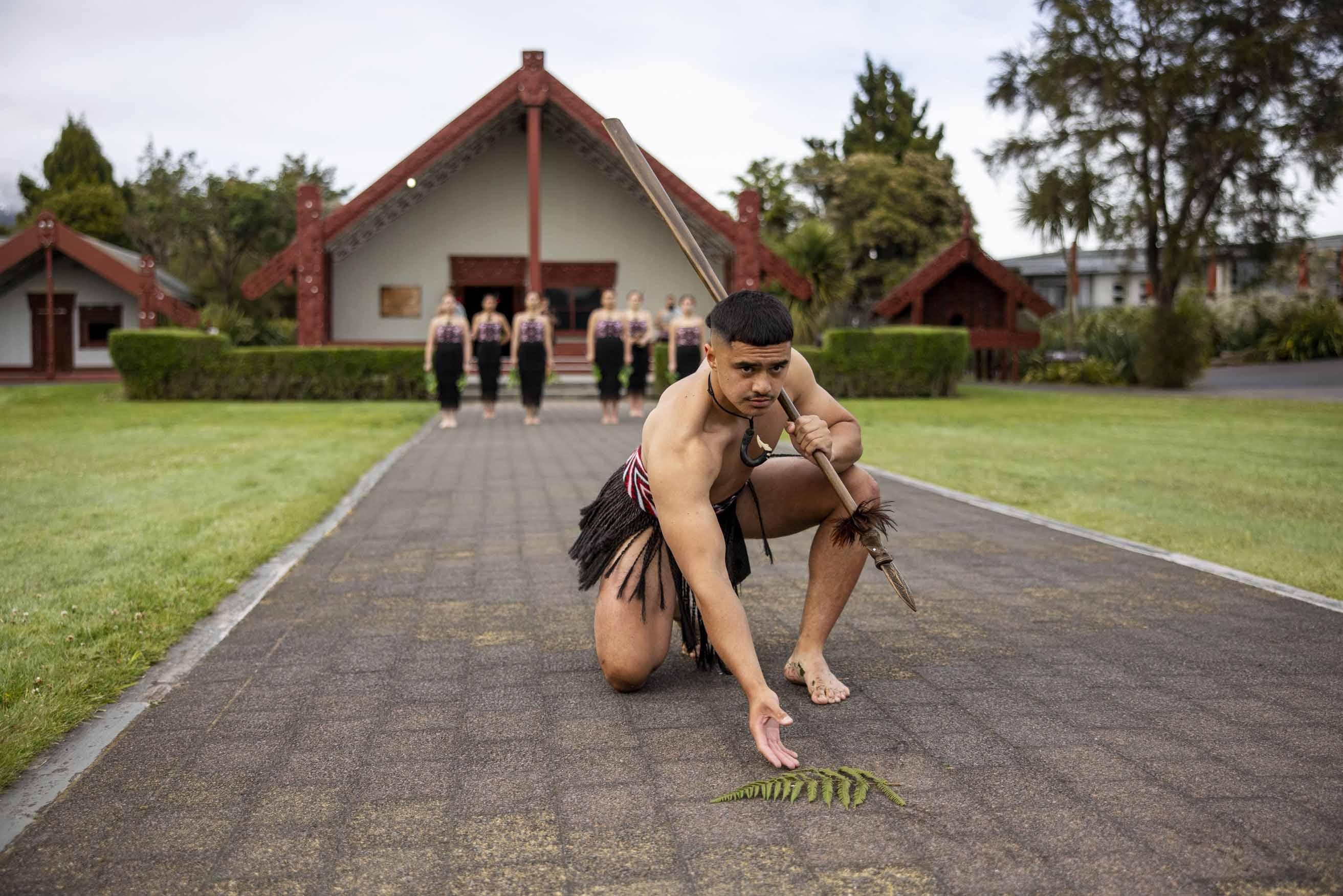
Rotorua's urban population of roughly 58,000 sits on an active caldera, and cultural performance has been part of the town's economy since Victorian travellers came north for the terraces. What is advertised today as a Rotorua haka show, a Rotorua Maori concert or a Rotorua Maori dinner show descends from a far older practice of formal welcome. Every Rotorua Maori Show tour on this site opens with a pōwhiri: a wero challenge laid on the ground, a karanga call across the marae ātea, and a hongi that ends the ritual distinction between host and guest. The waiata and poi that follow are not decoration. They carry genealogy, place-names and grievance in fixed sequence, and the words are older than the building they are sung in.
The architecture holds the argument together. Te Aronui a Rua, the carved wharenui at the centre of the grounds, faces an open marae ātea where the challenge is issued. Its poupou panels were cut by institute carvers, so the meeting house is at once artefact, classroom and examination. Below it, Ngāararatuatara boils hot enough to cook food without fire. Nearby, the Kiwi Conservation Centre keeps a nocturnal house for a bird most New Zealanders will never see awake. Read against that backdrop, a Rotorua Maori cultural show stops being an evening's entertainment. It is a working record of a people who never left the valley, and the Rotorua Maori Show remains the most public page of it.

"Carving, weaving and performance are treated here as one body of knowledge rather than three separate crafts."
A step-by-step walkthrough of Rotorua Maori Show tickets — what you'll see, how long each stage takes, and the details that matter.
You arrive at the Hemo Road gates, where steam is already crossing the car park at ankle height. Your Rotorua Maori Show tickets cover the Te Rā Guided Experience, 105 NZD per adult, and the 90-minute walk that follows. The grounds run 09:00–17:00 daily. Assembly happens on the marae ātea, in front of Te Aronui a Rua.
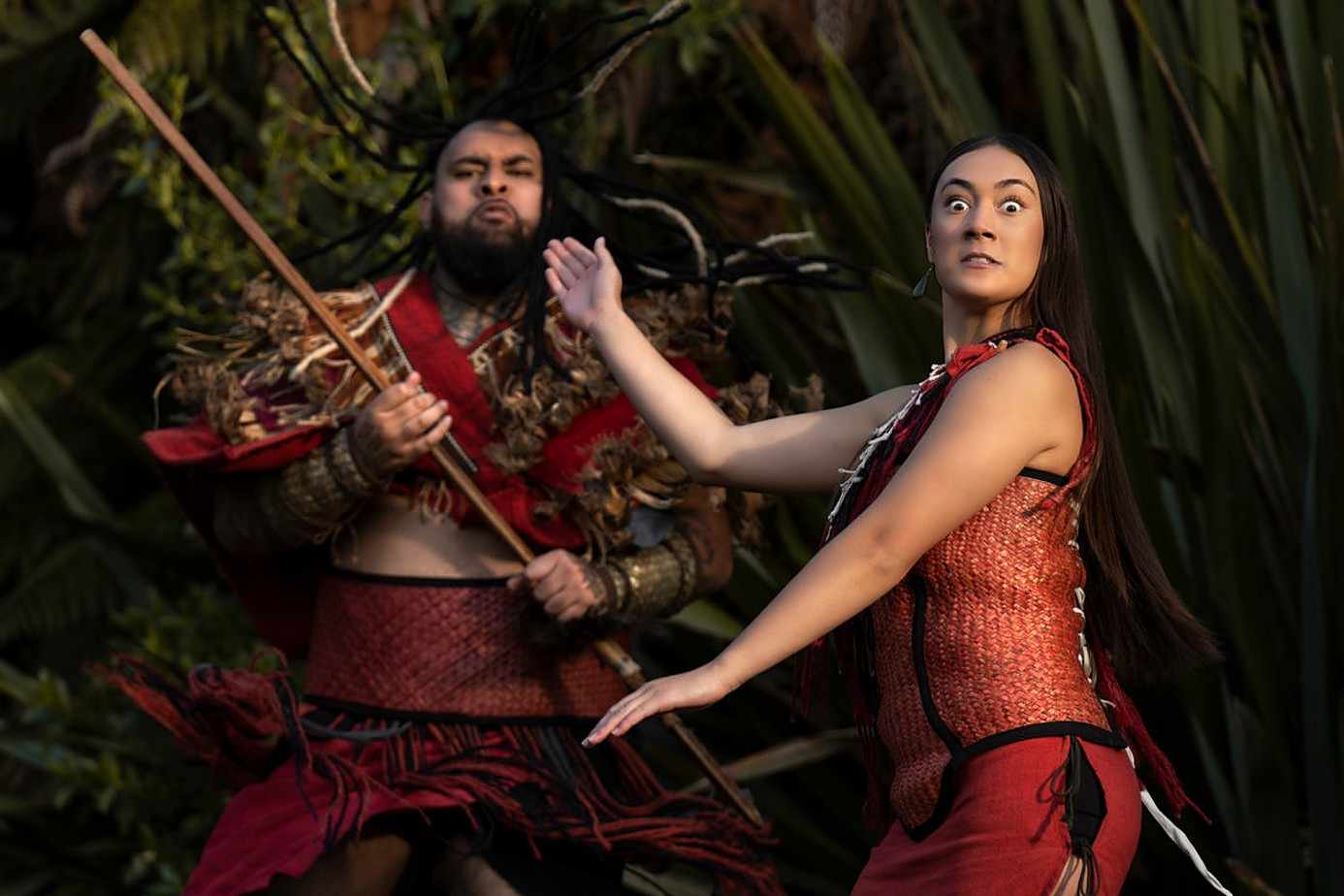
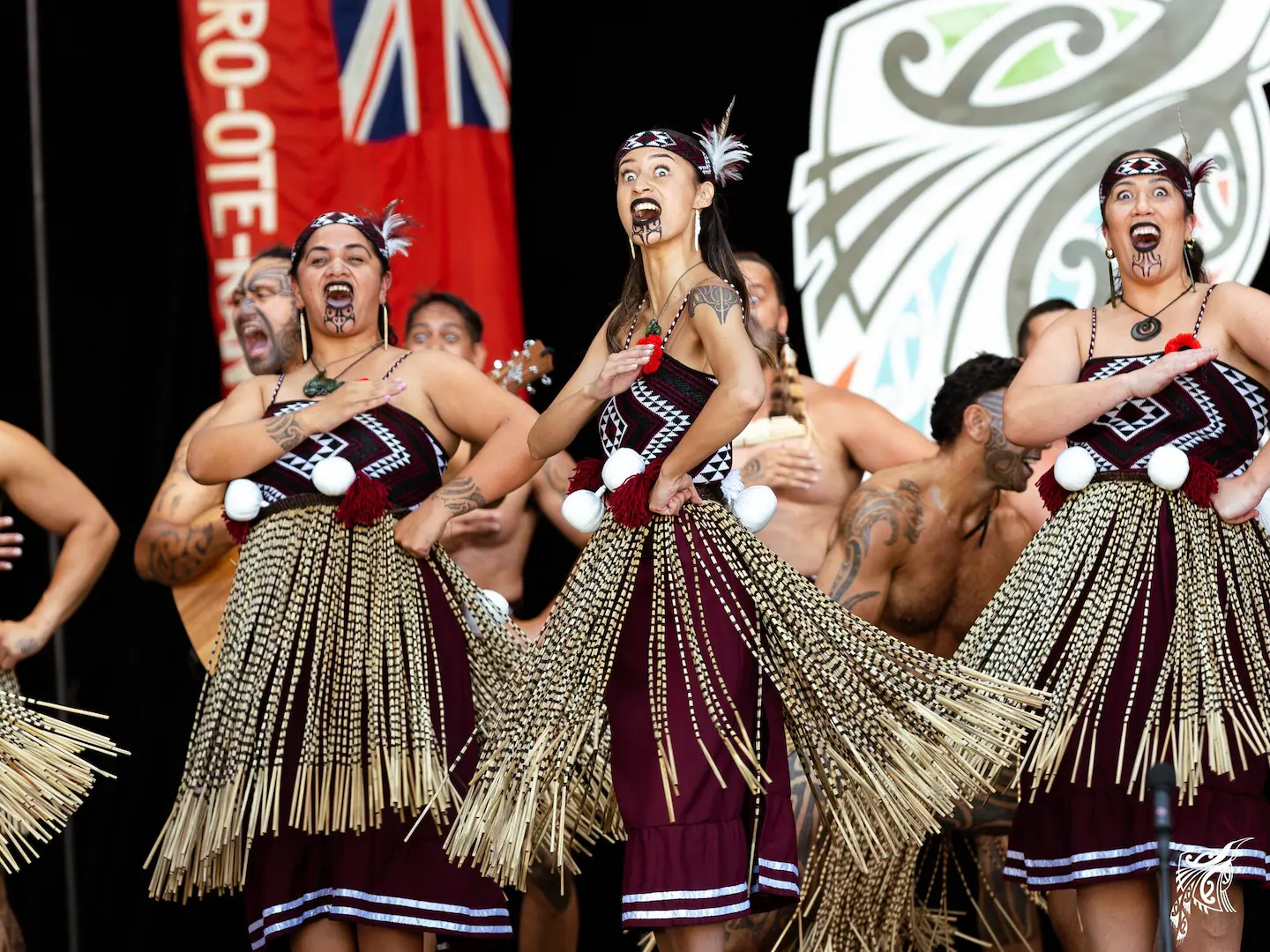
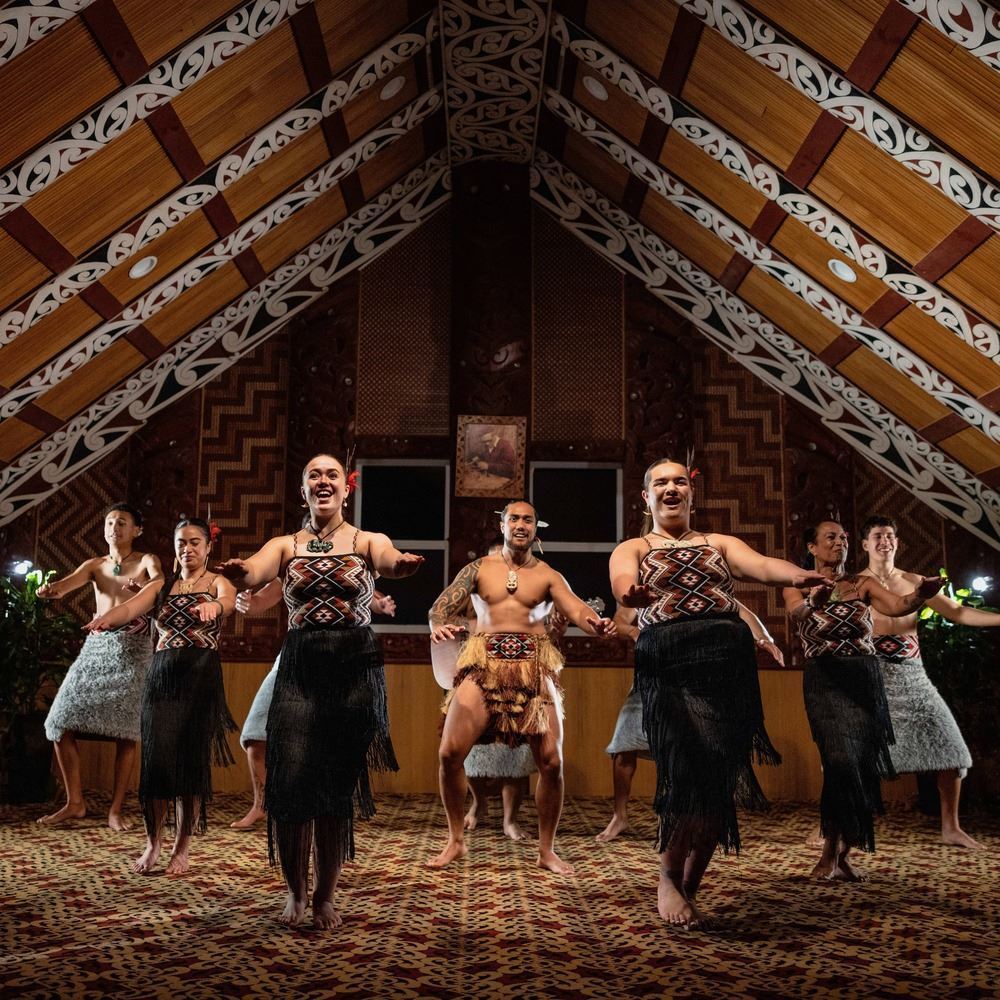
A warrior advances, half-crouched, and lays a carved dart at the feet of the chief your group has chosen. You stay still. You watch him lift it. Inside the wharenui the floor is warm, the air carries kauri dust and cut flax, and forty voices land on the same beat without a conductor. Poi strike wrists in fours. The haka closes on a silence you can hear the geyser through.
Afterwards you follow the guide past the carving school, where a student is roughing out a pou with a mallet, then to Te Rito, where harakeke strips dry in ranked bundles. The path drops to Ngāararatuatara, the cooking pool, and the smell shifts to sulphur and steamed corn — the same method behind every Rotorua Maori dinner show in the district. You climb the last rise to Pōhutu. It goes up thirty metres while you are still finding your camera, and the spray drifts back down cold on your forearms. You leave through the same gate you entered, ears still ringing.
Te Puia is open daily from 09:00–17:00.
The Te Rā Guided Experience fee is 105 NZD per adult.
Yes, the geothermal valley paths at the Te Puia site are wheelchair accessible.
Bring comfortable walking shoes, a rain jacket, and your payment card for the cashless site.
Photography is permitted, though please be respectful of cultural areas.
The best arrival window is 09:00–14:00 to avoid mid-day crowds.
Yes, Pātaka Kai Restaurant offers dining options on-site at Te Puia.
The site is located at Hemo Road, Rotorua, easily accessible by car or taxi from the town center.
Yes, families are welcome to join the educational tours offered at Te Puia.