
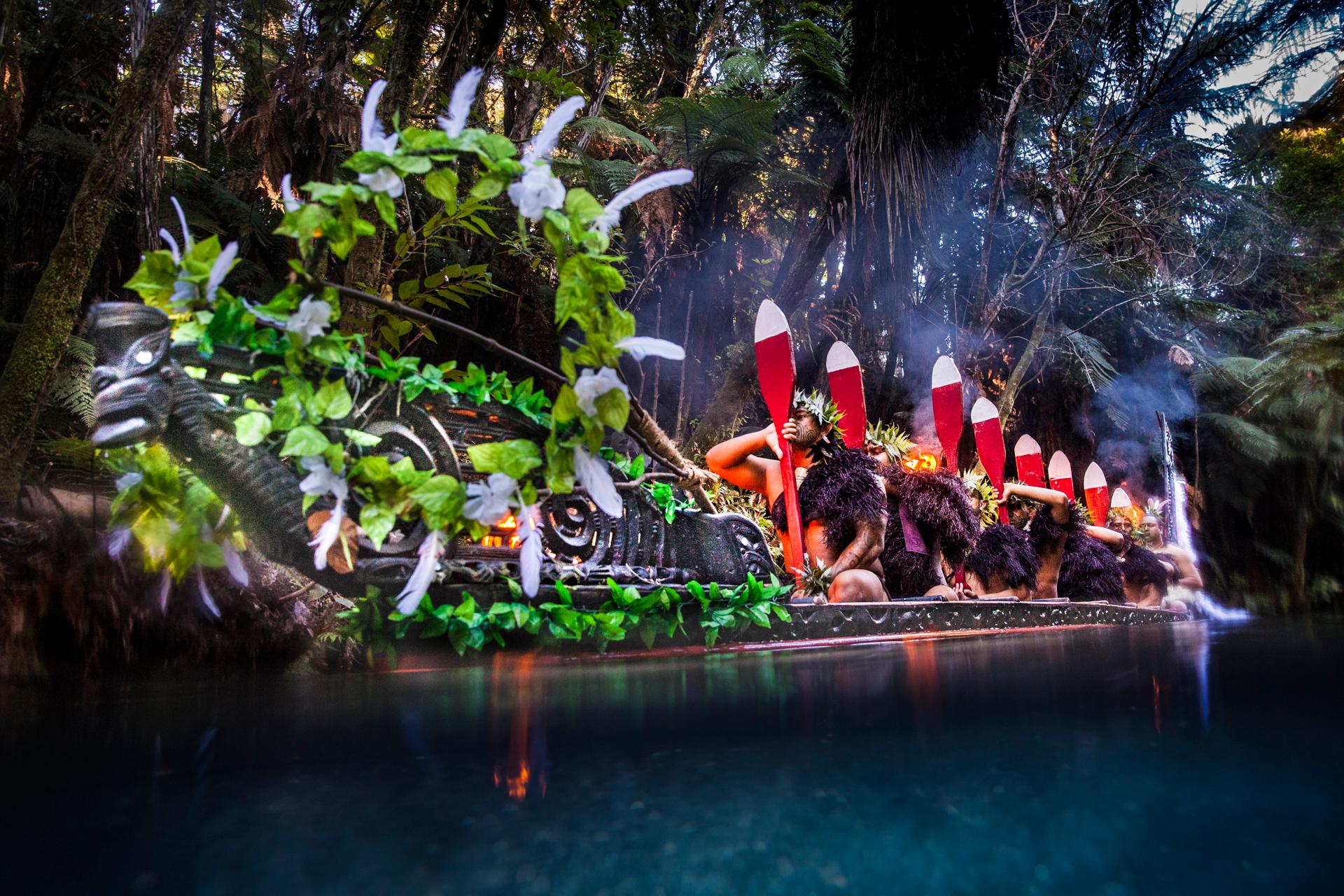
3 hr
Mitai Maori Village Evening: Cultural Show & Hangi Feast
Step into authentic Maori culture with warriors, traditional ceremonies, and an earth-oven feast in Rotorua
Reserve
Hand-picked by our editors — only the best 5 experiences from 40 reviewed.
Verified partners for every tour, free cancellation where available, and instant confirmation on every booking.
3 hr
Step into authentic Maori culture with warriors, traditional ceremonies, and an earth-oven feast in Rotorua
Reserve
3 hr 30 min
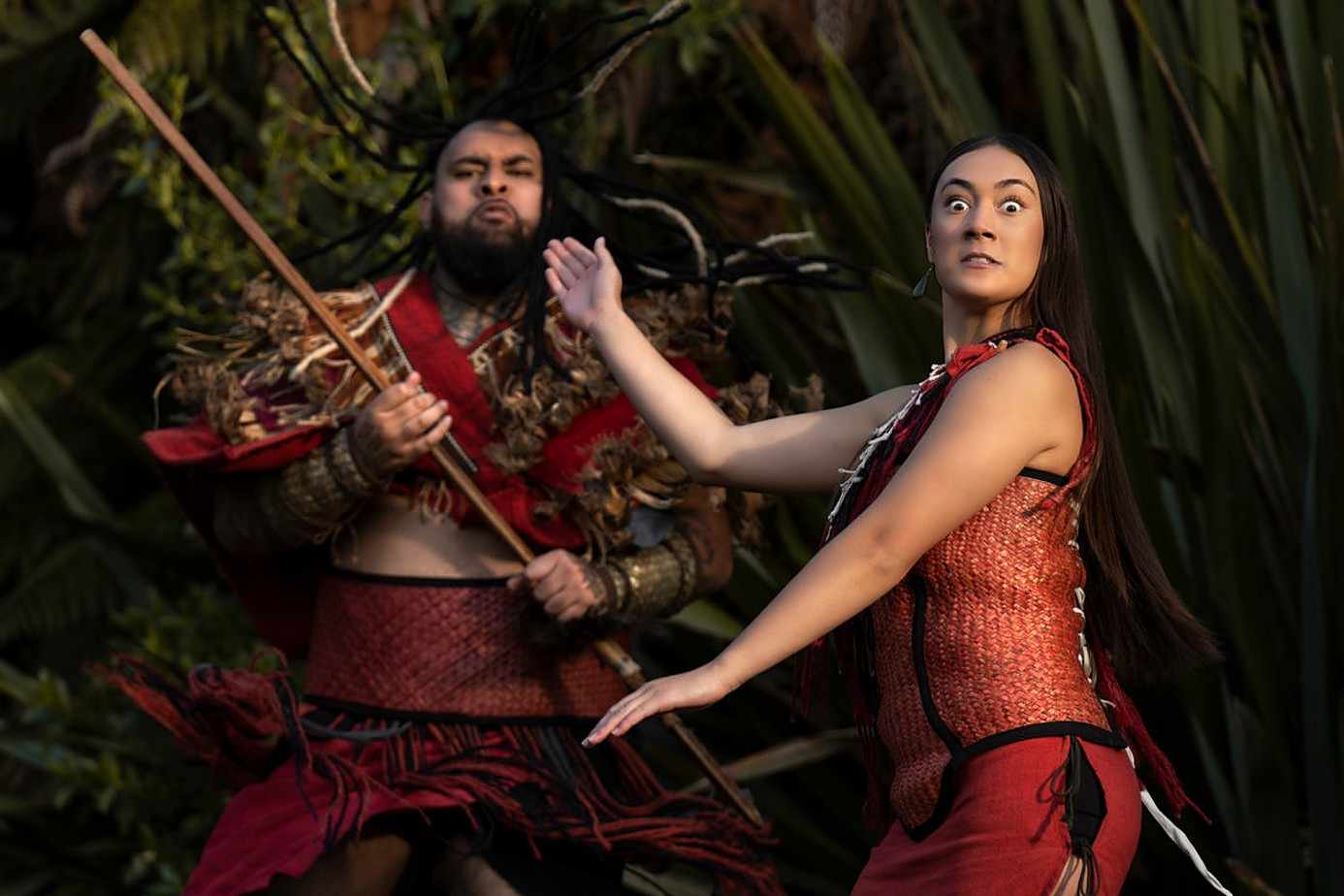
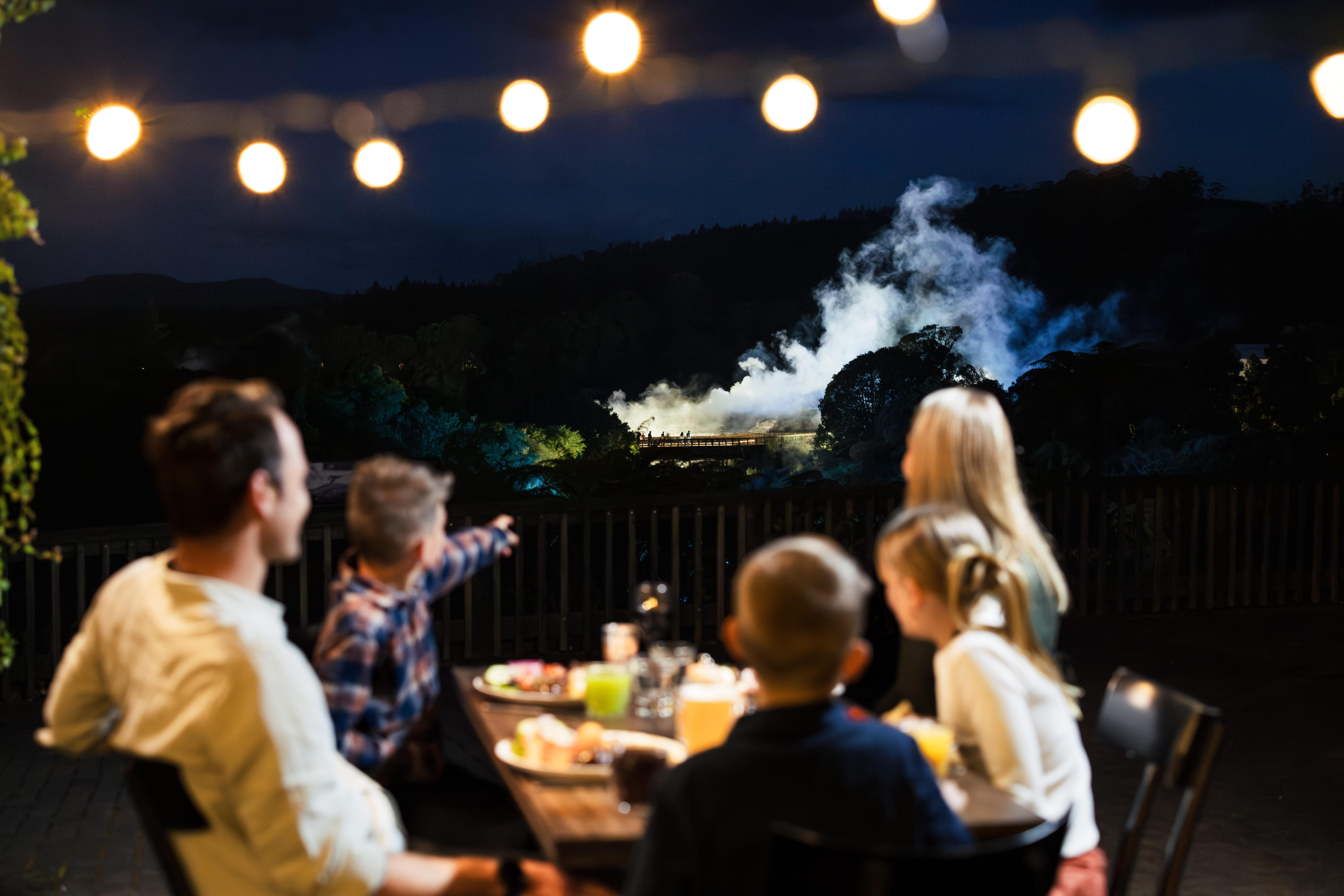
Authentic indigenous experience featuring traditional performances, storytelling, and seasonal Māori cuisine in a forest setting
Reserve
2 hr 30 min
Immerse yourself in indigenous traditions with an authentic welcome ceremony, live performance, and earth-oven feast
ReservePrices from verified partners. Availability updates in real time at checkout. Free cancellation policies apply where shown.
The landmarks, rooms, and views travelers on this tour remember — all visible on a single visit.
The largest active geyser in the Southern Hemisphere, often erupting to 30 metres.
Watch master carvers and weavers practicing ancestral arts.
A specialized enclosure to view New Zealand's national bird.
Experience bubbling mud pools and steam vents.
Explore a traditional Māori village setting.
Te Puia offers a daytime exploration of geothermal wonders and heritage, whereas Mitai provides an immersive evening-centric encounter; most travelers choose the former for landforms and the latter for night-time performance traditions.
| Feature | Top pick Te Puia | Mitai Maori Village |
|---|---|---|
Primary focus |
Geothermal and cultural heritage | Traditional warrior arrival and history |
Best time to visit |
09:00–14:00 | Evening hours |
Geothermal features |
Pohutu Geyser and mud pools | None |
Duration |
90 minutes | 3 hours |
Evening dinner option |
Not available | Hāngī buffet dinner |
| See tickets → |
Verdict: Select these rotorua maori cultural show tours based on whether you prioritize daytime volcanic landscape viewing or an evening meal paired with indigenous storytelling through rotorua maori cultural show tickets.
Choose your ticket, select your date, and reserve in under two minutes. Secure checkout handled by our verified partner.
Instant confirmation by email, with a mobile voucher you can save offline. No printing, no queuing at a collection desk.
Arrive at the entrance, show your voucher on your phone, and walk in. Most tickets include priority or skip-the-line access.
Practical details for your visit straight from our verified partners — hours, access, rules, and how to get there.
Hemo Road, Tihiotonga
Ticketing desk and tour departure point
Free parking is available on-site at Hemo Road.
Local Rotorua taxi services provide direct drop-offs at the main entrance.
Wear comfortable walking shoes and dress for the weather, as most of the Te Puia site is outdoors.
Te Puia is a strictly cashless site; all payments must be made by credit or debit card. Security may inspect bags at entry.
Photography is encouraged throughout the geothermal valley and cultural areas, though please respect signage regarding sacred sites.
The venue is wheelchair accessible, and complimentary wheelchairs are available at the ticketing office upon request.
Mobile phones are permitted; please use them respectfully during cultural performances.
The attraction is family-friendly, offering cultural performances and kiwi viewing that children can enjoy.
Commercially prepared foods and outside takeaways are not permitted on the premises.
No animals are allowed on-site, with the exception of certified assistance dogs.
The 90-minute guided Te Rā tour provides essential context for the geothermal and cultural landscape.
Best time to go, insider tips, nearby landmarks, and the cancellation fine print — flip through to skim what matters to you.
How crowds, weather, and events shift across the year.
Mild temperatures and fewer crowds make for a pleasant visit.
Warm weather with peak visitor numbers; book in advance.
Comfortable climate ideal for walking the geothermal trails.
Cooler, crisp days perfect for seeing steam rise from the geysers.
Small details that turn a good visit into a great one.
Secure your rotorua maori cultural show tickets online to guarantee your preferred time.
The weather can change quickly in the geothermal valley.
For safety, never leave marked boardwalks in geothermal areas.
Remember that Te Puia is a completely cashless venue.
The 90-minute tour requires significant walking time before closing.
Non-bookable sights within a short walk — free to visit, easy to pair.
Extensive trails through towering redwood trees.
Traditional Māori village experience.
Historic site with ornate architecture and floral displays.
Housed in the historic Bath House building.
Flexible, no hidden fees.
Cancellations must be made at least 48 hours before the booked experience for a refund. For groups of 10 or more, notification is required 72 hours in advance.
Hand-picked options within walking distance — pick a district for vibe, or a specific hotel for convenience.
Wide range of hotels and motels near city amenities.
Quiet area near the attraction entrance.
Pōhutu, the largest active geyser in the southern hemisphere, throws boiling water up to thirty metres above the Whakarewarewa valley floor, once or twice in most hours. That eruption is why travellers first followed this stretch of Hemo Road, and it remains the backdrop against which Rotorua Maori Cultural Show tours are staged. Steam does not pause for a programme. The performance happens inside it. Te Puia is also a school. The New Zealand Māori Arts and Crafts Institute was established here by statute in 1963 to keep carving and weaving in working hands rather than in glass cases. The institute's remit was preservation through practice. Apprentices at Te Wānanga Whakairo, the national carving school, still shape tōtara with adze and chisel; students at Te Rito, the weaving school, strip and soften harakeke flax by hand. Visitors walk past both. The chips on the floor are from that morning. This is what separates a Māori cultural performance at Te Puia from a staged concert. The Rotowhio Marae, with its carved wharenui, is a functioning ceremonial space. A pōwhiri begins with karanga and a wero, the challenge laid down before any welcome is offered. Waiata, poi and a kapa haka performance follow in sequence, delivered by performers with whakapapa in the valley — Tūhourangi Ngāti Wāhiao, the people who have lived above these vents for generations. Nothing in the sequence is improvised for an audience. The geothermal field does the rest of the work. Sixty-plus features vent across the reserve: silica terraces, mud pools that breathe, the Ngāararatuatara cooking pool where food has been lowered into natural steam for centuries. Prince of Wales Feathers plays first, a smaller jet that signals Pōhutu is close. Hāngī served here is finished by the ground itself. Nearby, the Kiwi Conservation Centre holds birds in managed darkness, part of a national breeding programme rather than a display. Carving detail rewards a slow pass. Pāua-shell eyes catch low light. Each pou carries a named ancestor, not a generic figure. Tukutuku panels repeat patterns that encode genealogy rather than decoration. The Hemo Gorge sculpture at the entrance road, a lattice of koru forms, marks the approach in contemporary material. Every Rotorua Maori Cultural Show tour here sits on that foundation: a valley that has never stopped working, and a craft tradition that has never stopped teaching.
"Steam does not pause for a programme; the performance happens inside it."
A step-by-step walkthrough of the visit — what you'll see, how long each stage takes, and the details that matter.
You turn off Hemo Road and smell the valley before you see it — sulphur, wet stone, cut timber. Rotorua Maori Cultural Show tickets are checked at the gate, and a guide gathers your group under the carved entranceway. You are told what to do at the marae: stay quiet during the karanga, let the challenge play out, do not step over the taki once it is laid on the ground. You watch the wero accepted. Inside the wharenui you sit while poi strike palms in time and a haka lands close enough to move the floorboards. Afterwards you exchange hongi with a performer who names the mountain he belongs to. Then you walk out into the steam. Boardwalks carry you past mud pools the colour of wet concrete, popping in slow rhythm. You stop at the silica terrace and wait for Prince of Wales Feathers to jet, because Pōhutu usually follows. It does — a white column overhead, drifting sideways on the wind. You circle back through the carving shed, where an apprentice roughs out a pou and the floor lies ankle-deep in tōtara shavings. In the weaving room someone shows you how harakeke splits under a thumbnail. You finish at the Kiwi Conservation Centre, standing still in near-darkness until a shape crosses the leaf litter.
Te Puia is open daily from 09:00–17:00. Last entry for tours is typically before closing.
Yes, Te Puia is wheelchair accessible and offers complimentary chairs.
Outside food and commercially prepared meals are not permitted on the premises.
Yes, booking online is highly recommended to secure your place for any rotorua maori cultural show tour.
The standard Te Rā guided experience lasts 90 minutes.
Photography is permitted throughout the site, provided you respect local cultural guidelines.
Items like alcohol, illicit drugs, and furniture are prohibited at the rotorua maori cultural show.
Yes, families are welcome to enjoy the cultural performances and wildlife encounters.
Cancellations must be made 48 hours in advance for a refund on your rotorua maori cultural show tickets.