
3 hr
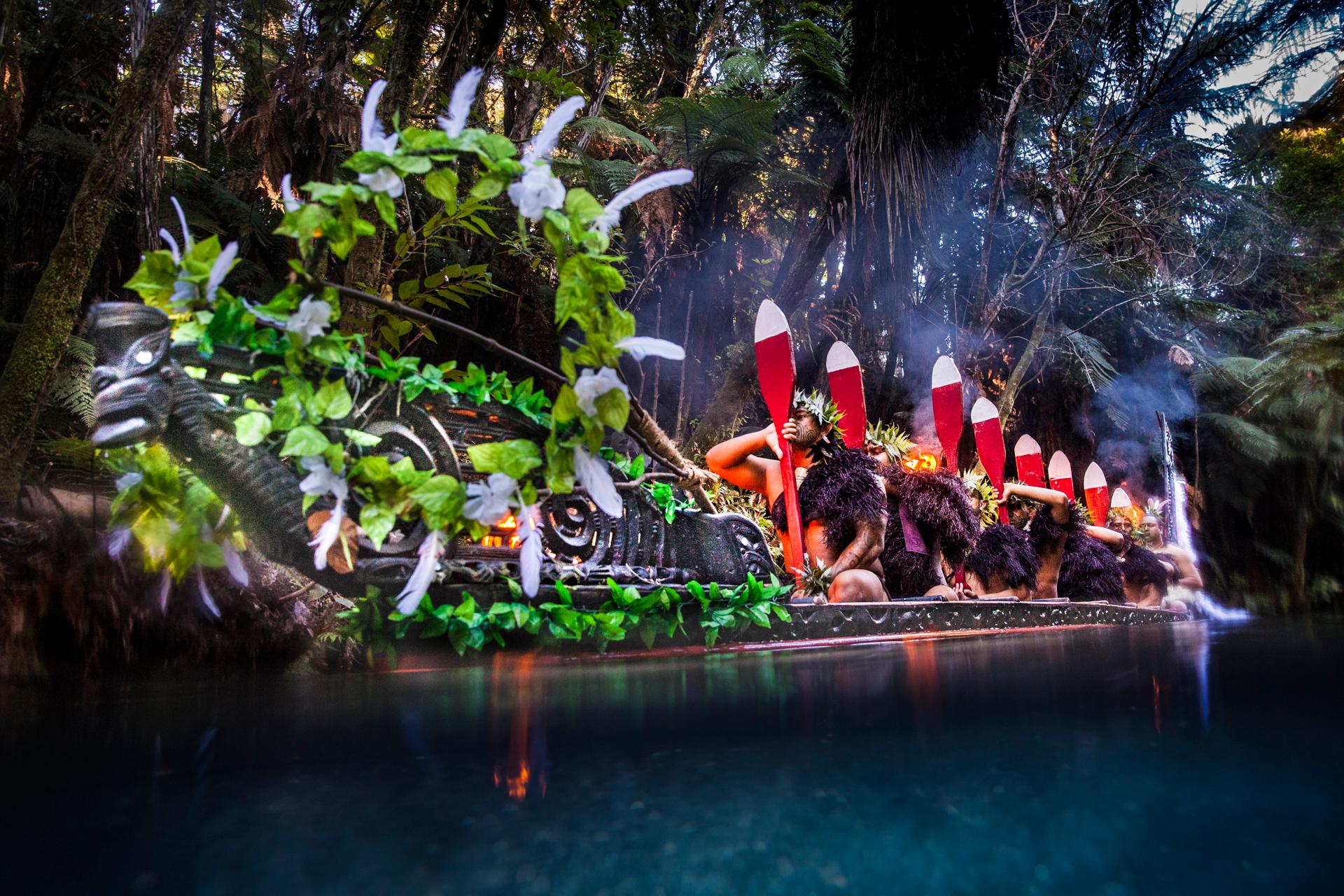
Mitai Maori Village Evening: Cultural Show & Hangi Feast
Step into an authentic Māori settlement nestled in native forest for songs, warrior displays, and earth-oven cuisine
Reserve
Hand-picked by our editors — only the best 5 experiences from 240 reviewed.
Verified partners for every tour, free cancellation where available, and instant confirmation on every booking.
3 hr
Step into an authentic Māori settlement nestled in native forest for songs, warrior displays, and earth-oven cuisine
Reserve
3 hr 30 min
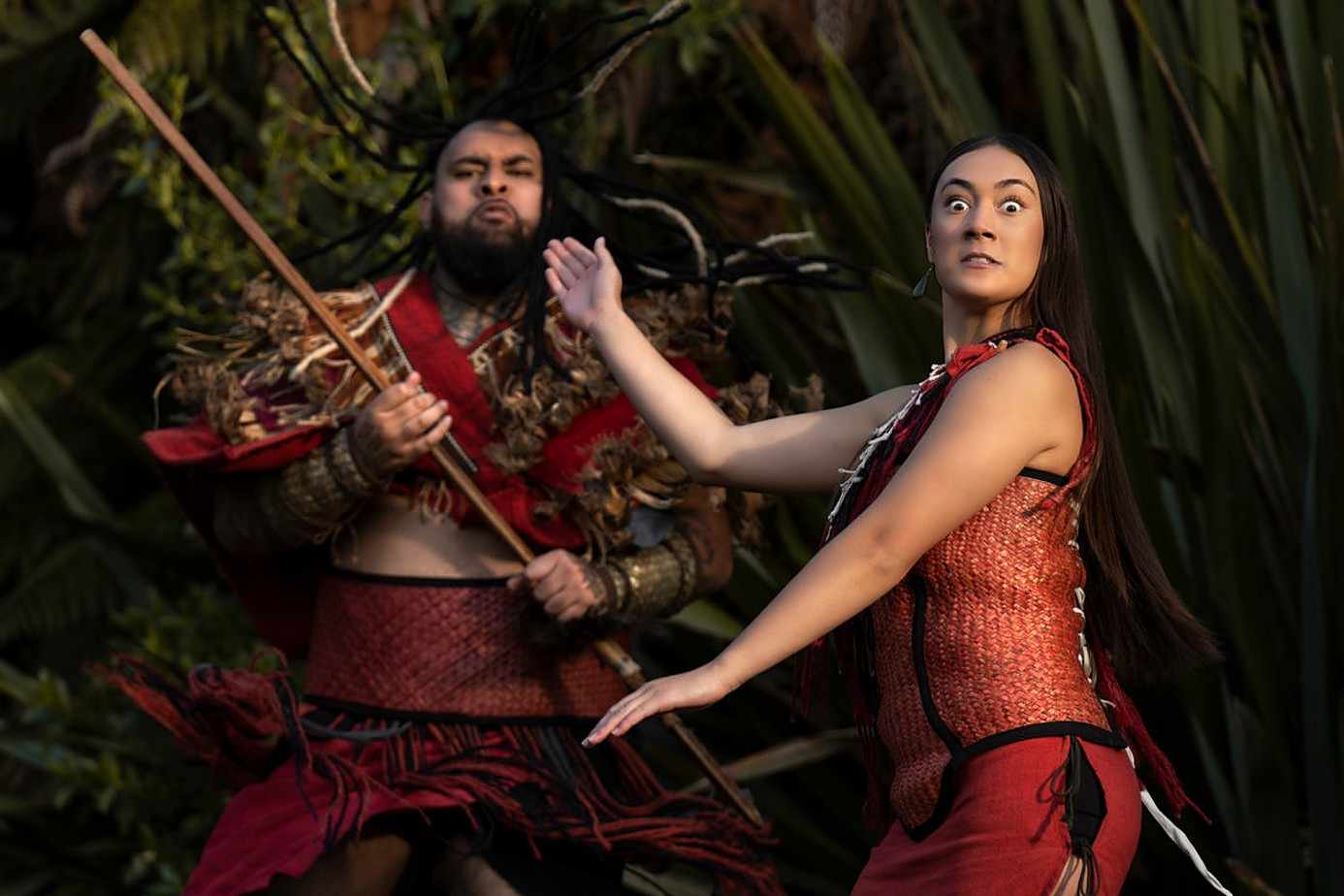
Journey into Māori traditions through storytelling, dance, and an outdoor feast in a forest setting
Reserve
2 hr 30 min
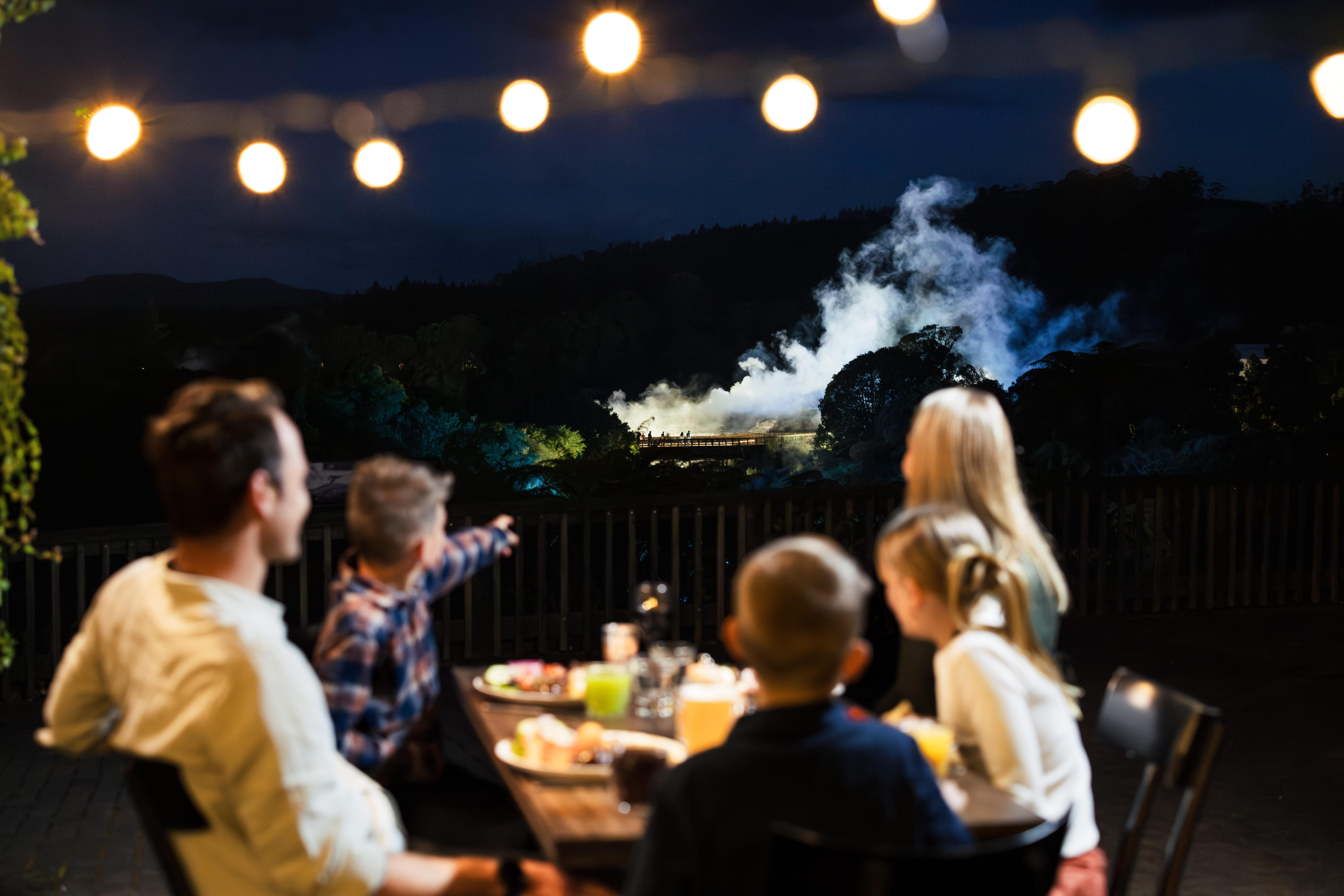
Immerse yourself in authentic Māori traditions with ceremonial performances, geothermal wonders, and earth-oven cuisine
ReservePrices from verified partners. Availability updates in real time at checkout. Free cancellation policies apply where shown.
The landmarks, rooms, and views travelers on this tour remember — all visible on a single visit.
The largest active geyser in the Southern Hemisphere, erupting up to 30 meters high. It is the most famous geothermal feature in the valley
This modern facility houses native kiwi birds in a specialized nocturnal environment to aid in their protection. It offers a rare chance to see these national treasures
Watch students and artisans learn and practice traditional wood carving and weaving skills. The institute has worked to preserve these indigenous arts for nearly 100 years
A 60-hectare park filled with bubbling mud pools, steaming vents, and natural hot springs that have been significant to Māori for generations
A traditional Māori village structure showcasing pre-European life and customs. It serves as a focal point for cultural education and storytelling
Te Puia offers an immersive look at geological landmarks and cultural arts, whereas Mitai focuses primarily on nocturnal forest narratives. Most travelers find that choosing between these Rotorua landmarks depends on whether they prioritize geothermal wonders or an intimate evening bush setting.
| Feature | Top pick Te Puia | Mitai Maori Village |
|---|---|---|
Primary Focus |
Geothermal and cultural heritage | |
Geothermal Features |
Active geysers and mud pools | |
Evening Performance |
Cultural show included | |
Daytime Availability |
Available 09:00–17:00 | |
Location Context |
Hemo Road valley setting | |
Maori village show rotorua tours |
Daytime guided cultural immersion | |
Maori village show rotorua tour |
Evening forest-focused narrative | |
Maori village show rotorua tickets |
Adult entry 105 NZD | |
| See tickets → |
Verdict: Select Te Puia to explore active geothermal fields with your maori village show rotorua tickets, or choose Mitai for a secluded evening cultural ceremony under the canopy.
Choose your ticket, select your date, and reserve in under two minutes. Secure checkout handled by our verified partner.
Instant confirmation by email, with a mobile voucher you can save offline. No printing, no queuing at a collection desk.
Arrive at the entrance, show your voucher on your phone, and walk in. Most tickets include priority or skip-the-line access.
Practical details for your visit straight from our verified partners — hours, access, rules, and how to get there.
Hemo Road, Tihiotonga, Rotorua 3040
Please arrive 15 minutes before your tour start time
Rotorua City Ride route 2 operates from the CBD to Te Puia every 30 minutes until 18:00.
Free on-site parking is available; enter Hemo Road into your GPS.
Footwear must be worn at all times for safety in the geothermal valley. High-visibility clothing and gang paraphernalia are not permitted.
Te Puia is a cashless site accepting major credit and debit cards. Small bags are permitted if they fit under your seat.
Photography is allowed in most areas of the maori village show rotorua site. Note that photography is prohibited inside the nocturnal Kiwi Conservation Centre.
The attraction is wheelchair accessible with paved and gravel paths. Complimentary wheelchairs are available for loan from the ticketing office upon arrival.
The attraction is suitable for all ages, though children under 15 must be accompanied by an adult. Many families enjoy the educational aspects of the maori village show rotorua tours.
External commercially prepared foods and drinks are prohibited. On-site dining is available at Pātaka Kai Restaurant.
Hemo Road, Tihiotonga, Rotorua 3040
Please arrive 15 minutes before your tour start time
Get directionsBest time to go, insider tips, nearby landmarks, and the cancellation fine print — flip through to skim what matters to you.
How crowds, weather, and events shift across the year.
December–February offers warm weather ideal for exploring the geothermal valley, though expect larger crowds.
March–May provides comfortable temperatures and moderate crowd levels for a maori village show rotorua tour.
June–August is cooler but excellent for seeing steam vents against crisp air and enjoying the hot geothermal features.
September–November is a balanced time to visit before peak summer tourism season begins.
Small details that turn a good visit into a great one.
Secure your maori village show rotorua tickets online to avoid disappointment during peak periods.
Pōhutu Geyser activity is natural; eruption frequency varies, so allow ample time to observe.
Wear sturdy walking shoes to navigate the geothermal valley terrain comfortably.
Ensure you have a credit or debit card for all purchases as the venue is fully cashless.
The day-time maori village show rotorua tour is fully guided to provide deep cultural insights.
Non-bookable sights within a short walk — free to visit, easy to pair.
Famous for redwood trees and mountain biking trails.
Traditional Maori village experience with cultural performances.
Historical gardens featuring the Rotorua Museum and Blue Baths.
Therapeutic geothermal hot springs overlooking Lake Rotorua.
Flexible, no hidden fees.
Cancellations or changes must be made by phone or email at least 48 hours before the booked experience for a full refund of the 105 NZD entrance fee. Cancellations made within 48 hours are non-refundable.
Hand-picked options within walking distance — pick a district for vibe, or a specific hotel for convenience.
Range of hotels, motels, and luxury lodges available in the city center.
Pōhutu Geyser erupts up to twenty times a day and has been doing so, on and off, for at least seven centuries of continuous human observation. The valley it sits in — Te Whakarewarewa, shortened from a name commemorating the war party of Wahiao — is one of the few places on earth where a living settlement grew up around boiling ground rather than retreating from it. Silica terraces steam at the edge of the path. Mud pools turn over with the sound of slow breathing. The people of Ngāti Whakaue and Tūhourangi built here because the geothermal field cooked their food, heated their sleeping houses and marked the land as theirs. A maori village show rotorua visitors attend today at Te Puia is not a performance invented for tourism. It descends from waiata and haka that were composed as genealogy, as challenge, as grief. The wero — the ritual challenge laid down by a warrior before manuhiri may enter — is still executed with the taiaha, and the response still determines whether guests come in peace. What visitors watch in the wharenui is a compressed evening of that protocol: karanga, whaikōrero, poi, and the closing hongi. Institutionally, the site carries more weight than its scenery suggests. The New Zealand Māori Arts and Crafts Institute was established here by statute in 1963 to prevent the extinction of whakairo, the carving tradition, and raranga, weaving. Te Wānanga Whakairo Rākau and Te Rito, the national weaving school, still train carvers and weavers on site. Their apprentices work in open studios, and the totara chips on the floor are from that morning. This is why Rotorua Māori cultural tours consistently route through Te Puia rather than a purpose-built venue. The architecture reflects it. Te Aronui a Rua, the meeting house, is fronted by carved poupou representing ancestral figures, each face composed of the spiral and manaia forms that identify a particular iwi's hand. The kiwi conservation centre nearby houses birds under managed low light. Alongside these, the geothermal valley remains the anchor: Ngāraratuatara, the cooking pool, and the alkaline chloride waters that feed Pōhutu. Adult entry to the Te Rā Guided Experience is 105 NZD per person, with the grounds open 09:00–17:00 daily. Evening maori village show rotorua tours — the hāngī-and-concert format offered by operators across the district — run separately from daytime admission and are ticketed by the operator, not the gate.
"The wero is still executed with the taiaha, and the response still determines whether guests come in peace."
A step-by-step walkthrough of the visit — what you'll see, how long each stage takes, and the details that matter.
You turn off Hemo Road and the smell arrives first — sulphur, warm and mineral, unmistakable. Doors open at 09:00, and the arrival window runs to 15:00 so there is room to finish before the 17:00 close. You collect your maori village show rotorua tickets, then follow the guide past the carving school, where an apprentice is working the eye of a poupou with a chisel and does not look up. You walk toward the sound. Pōhutu announces itself as a hiss, then a column, and you stand at the rail for eight or nine minutes while it holds. Steam drifts across the boardwalk and briefly erases the path ahead of you. You pause at Ngāraratuatara, the cooking pool, where flax kete of kai were once lowered into boiling water. In the afternoon you cross to the weaving studio and watch harakeke split with a thumbnail into working strands. Later, if you have chosen an evening maori village show rotorua tour, you return for the pōwhiri: you gather with other manuhiri, a chief is chosen from among you, and the warrior advances with the taiaha and lays down a fern frond. You do not move. Your chief lifts it. Inside the wharenui the poi strike in unison, close enough that you feel the percussion in your chest. Afterwards the hāngī is lifted from the earth oven — lamb, kūmara, stuffing — and you eat while the performers sit down at the tables beside you.
Te Puia is open 7 days a week from 09:00–17:00.
Yes, the geothermal valley and facilities are wheelchair accessible, with complimentary chairs provided at the ticketing office.
No, commercially prepared foods and drinks are not allowed; please use the on-site Pātaka Kai Restaurant.
The Te Rā Guided Experience costs 105 NZD per adult.
Photography is permitted throughout the site, except inside the nocturnal Kiwi Conservation Centre.
We recommend arriving between 09:00–15:00 to fully experience the site before closing.
Yes, free parking is available on-site for all visitors.
Yes, families are welcome and children under 15 must be accompanied by an adult.
Bookings can be cancelled for a full refund up to 48 hours before your scheduled arrival time.