3 hr 30 min
Te Pa Tu Māori Cultural Evening with Four-Course Dinner
Evening immersion in indigenous traditions with live performances, storytelling, and seasonal fusion dining
Reserve
Hand-picked by our editors — only the best 5 experiences from 60 reviewed.
Verified partners for every tour, free cancellation where available, and instant confirmation on every booking.
3 hr 30 min
Evening immersion in indigenous traditions with live performances, storytelling, and seasonal fusion dining
Reserve
2 hr
Explore geothermal wonders and witness an authentic haka ceremony in a historic carved meeting house
Reserve
1 hr 30 min
Explore geothermal wonders, meet New Zealand's iconic kiwi, and discover authentic Māori traditions
ReservePrices from verified partners. Availability updates in real time at checkout. Free cancellation policies apply where shown.
The landmarks, rooms, and views travelers on this tour remember — all visible on a single visit.
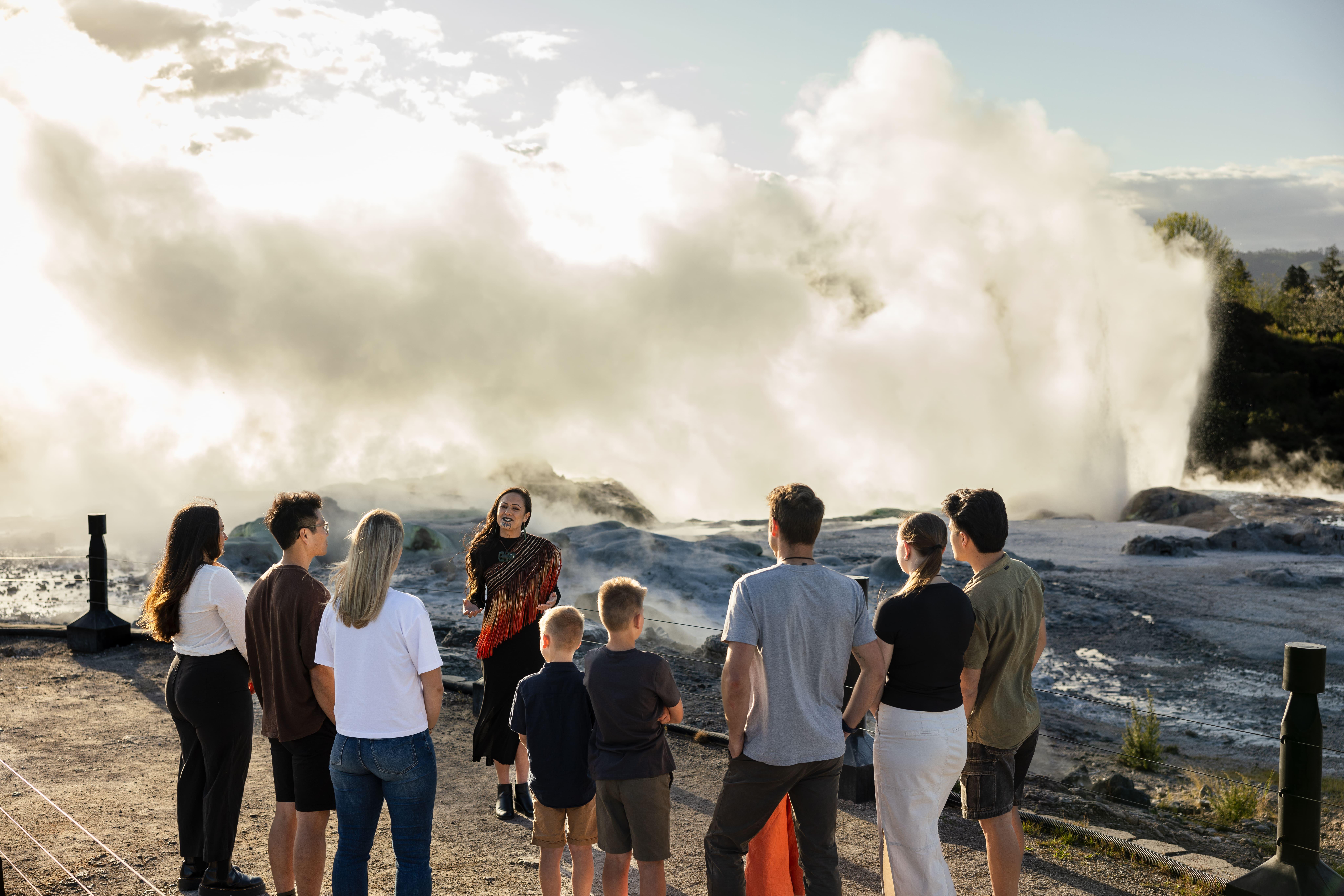
The largest active geyser in the Southern Hemisphere, erupting multiple times daily with jets up to 30 meters high.
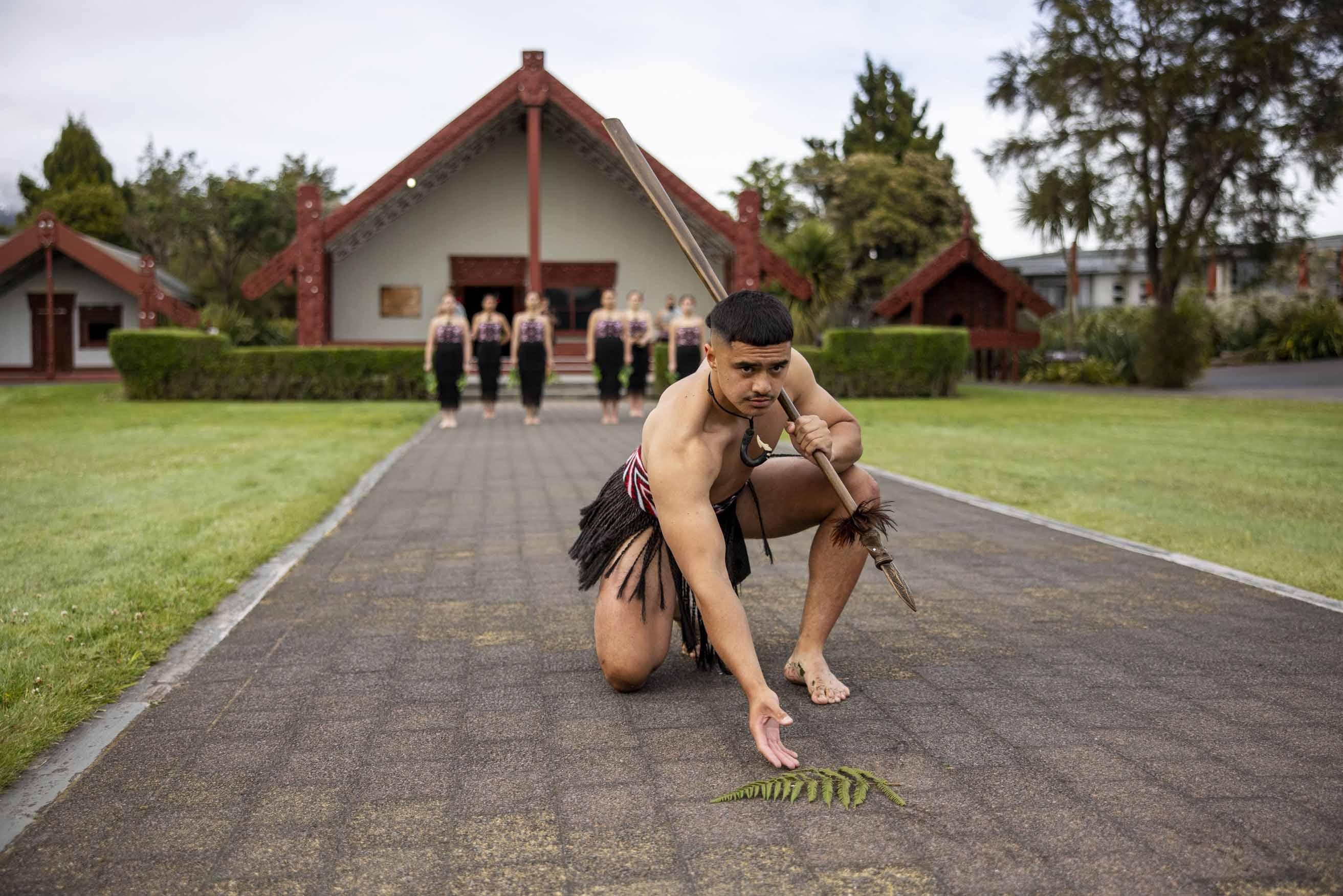
A beautifully carved meeting house where the rotorua maori concert and traditional cultural performances take place.
Watch master artisans practice traditional Māori wood carving, stone carving, and weaving techniques.
A specialized facility dedicated to the protection and viewing of New Zealand's national bird in a nocturnal enclosure.
Explore 60 hectares of bubbling mud pools, steaming vents, and historic geothermal formations.
Te Puia offers a daytime cultural immersion integrated with geothermal wonders, whereas Mitai Māori Village provides a nocturnal, forest-based performance. Most visitors find that selecting the right rotorua maori concert depends on whether they prioritize geological landmarks or evening tribal traditions.
| Feature | Top pick Te Puia | Mitai Māori Village |
|---|---|---|
Focus |
Geothermal and cultural heritage | Traditional village life and forest setting |
Primary Setting |
Te Whakarewarewa Geothermal Valley | Native bush and stream environment |
Timing |
Daytime guided experience | Evening arrival |
Geothermal Access |
On-site geyser and mud pools | None |
Performance Type |
Haka and traditional poi | Warriors canoe and cultural display |
Duration |
90-minute tour | 3 hours |
| See tickets → |
Verdict: Choose the Te Puia rotorua maori concert tour for a comprehensive daytime exploration of Māori arts and geology, or select Mitai for a focused, evening-only cultural performance. Booking rotorua maori concert tickets in advance ensures availability for these distinct experiences, while travelers seeking shorter rotorua maori concert tours often find Te Puia more efficient.
Choose your ticket, select your date, and reserve in under two minutes. Secure checkout handled by our verified partner.
Instant confirmation by email, with a mobile voucher you can save offline. No printing, no queuing at a collection desk.
Arrive at the entrance, show your voucher on your phone, and walk in. Most tickets include priority or skip-the-line access.
Practical details for your visit straight from our verified partners — hours, access, rules, and how to get there.
Wear comfortable shoes and weather-appropriate clothing for walking in an outdoor geothermal environment. Footwear must be worn at all times, and high-visibility clothing is not permitted.
Te Puia is a cashless site, so please ensure you have a valid credit or debit card for all transactions. Large items like chilly bins are prohibited, and bag checks may occur.
Photography is encouraged throughout the park and during the rotorua maori concert, provided it does not disrupt the cultural performances or other guests.
The geothermal valley is wheelchair accessible, and complimentary wheelchairs can be arranged at the ticketing office. Accessible parking is clearly signposted near the main entrance.
The rotorua maori concert is suitable for all ages, making it a great family outing. Children can learn about Māori heritage and see the iconic kiwi birds in the conservation centre.
Food is available at the on-site Pātaka Kai Restaurant & Bar. Outside commercially prepared foods, takeaways, and soft drinks are not permitted on the premises.
Best time to go, insider tips, nearby landmarks, and the cancellation fine print — flip through to skim what matters to you.
Flexible, no hidden fees.
Full payment is required for bookings. If cancellation is necessary, notification must be provided 24 hours prior to arrival to avoid a 50% penalty fee.
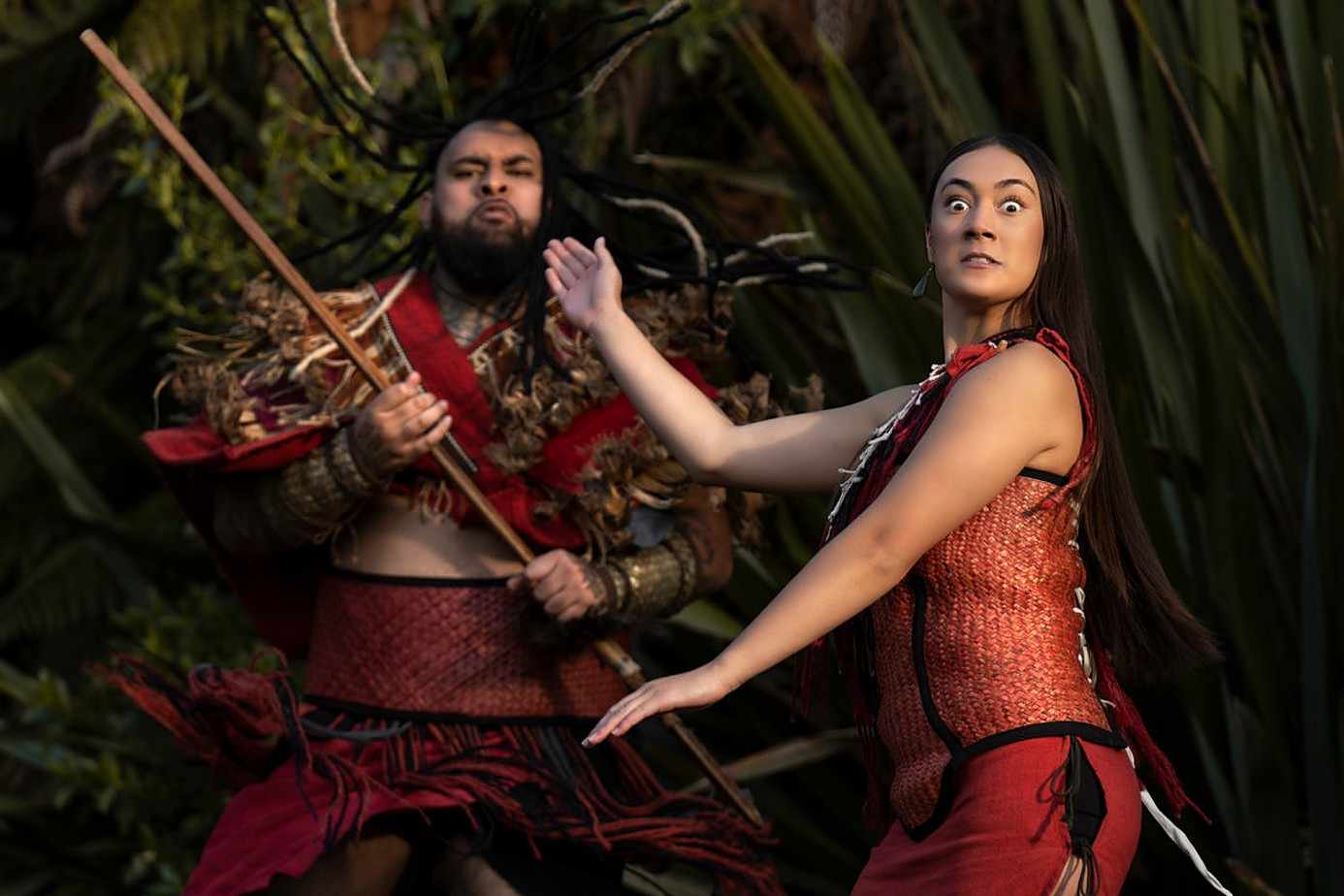
Pōhutu, the geyser at the centre of Te Whakarewarewa Valley, erupts up to twenty times a day and has never been switched off, staged, or scheduled. The performances that share the valley floor with it are equally unscripted in origin. Te Puia sits on 70 hectares of land held by Te Arawa iwi at 20 Hemo Road, Tihiotonga, and the concert traditions here descend from formal welcome rituals rather than from theatre. The pōwhiri came first. Long before ticketed audiences, visiting parties approaching a marae were met with the wero, a challenge laid down by a warrior, followed by karanga, whaikōrero and waiata. What visitors now recognise as a rotorua maori concert is a compressed, public-facing version of that sequence, performed in Te Aronui a Rua, the carved meeting house that anchors the site. The building itself is a document: its poupou record whakapapa, and its interior kōwhaiwhai panels follow patterns specific to Te Arawa. The institutional history is precise. In 1926 the New Zealand government established the Māori Arts and Crafts Institute; in 1963 an act of Parliament formalised it, and the schools that resulted — the New Zealand Māori Arts and Crafts Institute, Te Wānanga Whakairo for carving, and Te Rito for weaving — still operate on site. Students train under master carvers using tōtara, and the weavers work with harakeke gathered locally. This is why Rotorua Māori cultural tours here differ from a standalone show: the performance stands beside a working school, a kiwi conservation programme, and an active geothermal field. What this means today is a matter of custodianship rather than display. Kapa haka — the disciplined art of group performance combining haka, poi, waiata-ā-ringa and mōteatea — nearly vanished from public life in the early twentieth century. Rotorua kept it visible. Guides who lead rotorua maori concert tours at Te Puia are frequently descendants of the guiding families who worked the valley in the 1880s, when Pink and White Terraces tourism drew steamer passengers inland. Silica terraces, mud pools at ninety-five degrees, and the alkaline chloride waters that feed Pōhutu form the physical setting. The Te Rā guided experience, at 105 NZD for an adult and inclusive of a cultural performance, covers both the geothermal terraces and the carved houses. Evening formats at neighbouring venues extend the same repertoire into hāngī feasts. A rotorua maori concert, in this valley, is inseparable from the ground it stands on.

"The carved meeting house is not a backdrop for the performance — it is a document, and the performance is how it is read aloud."
A step-by-step walkthrough of the visit — what you'll see, how long each stage takes, and the details that matter.
You turn off Hemo Road and park beneath the carved waharoa, the gateway that marks the boundary of the valley. Doors open at 09:00 and the site runs until 17:00 daily, so arriving between 09:00 and 14:00 leaves you room for both the 90-minute guided tour and an afternoon at the geyser terraces. You collect your rotorua maori concert tickets, then wait at the marae ātea for the wero. A warrior advances, taiaha low, and places a carved dart at the feet of your group's chosen chief. You watch him lift it. The karanga follows — a woman's call answered from inside — and you file into Te Aronui a Rua. For the next half hour you sit close enough to see the poi cords blur and the tattooed jawlines tighten during the haka. You are asked to stand for the final waiata. You do. Afterwards your guide walks you out along the boardwalk toward Pōhutu. Steam crosses the path in sheets and the mud pools thud like slow drums. You stop at the carving school, where a student is roughing out a poupou in tōtara, and at the weaving room, where harakeke strips hang drying in bundles. If you have chosen a rotorua maori concert tour that runs into evening, you return for a hāngī drawn from the earth oven. You eat kūmara that tastes of smoke.
The 105 NZD Te Rā guided experience adult fee includes entry to Te Puia, a 90-minute guided tour of the valley, access to the Kiwi Conservation Centre, and the cultural performance.
We recommend an arrival between 09:00–14:00 to provide enough time for the 90-minute guided tour before the afternoon cultural shows.
Yes, Te Puia is wheelchair accessible, and the park provides complimentary wheelchairs at the ticketing office for guests.
No, outside commercially prepared food is not allowed; however, you can enjoy meals at the Pātaka Kai Restaurant & Bar within Te Puia.
Yes, you are welcome to take photos of the geothermal features and the rotorua maori concert as long as you do not disturb the performers.
Cancellations require 24 hours' notice before arrival to avoid a 50% penalty fee on your rotorua maori concert booking.
Yes, the cultural experience at Te Puia is suitable for all ages and family members are encouraged to participate in the learning.
Te Puia is located at 20 Hemo Road, Rotorua; you can drive, use a taxi, or take local city buses.
Bring comfortable walking shoes, sunscreen, a hat, a water bottle, and a credit or debit card, as Te Puia is a cashless venue.