
3 hr 30 min
Te Pa Tu Māori Cultural Evening with Four-Course Dinner
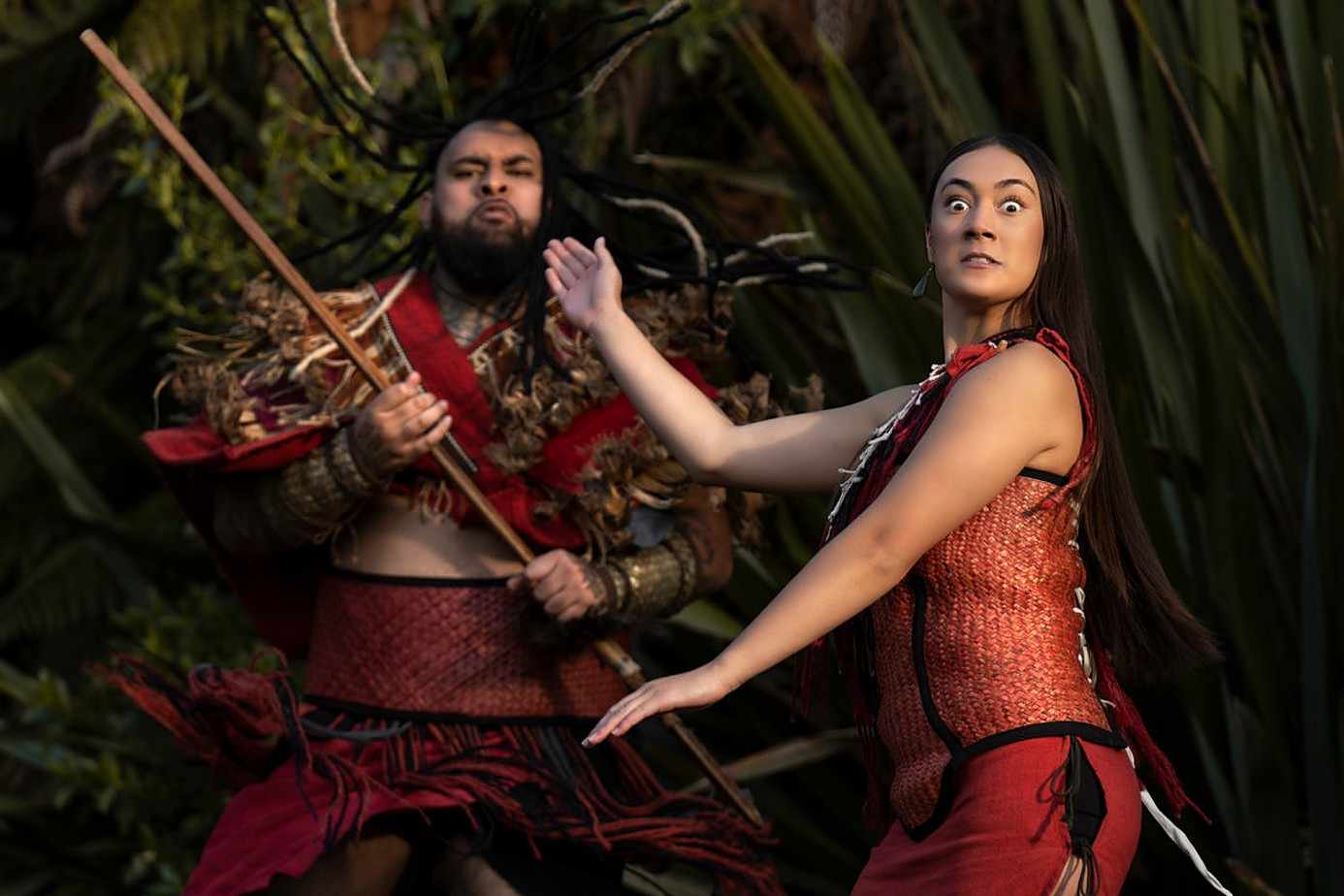
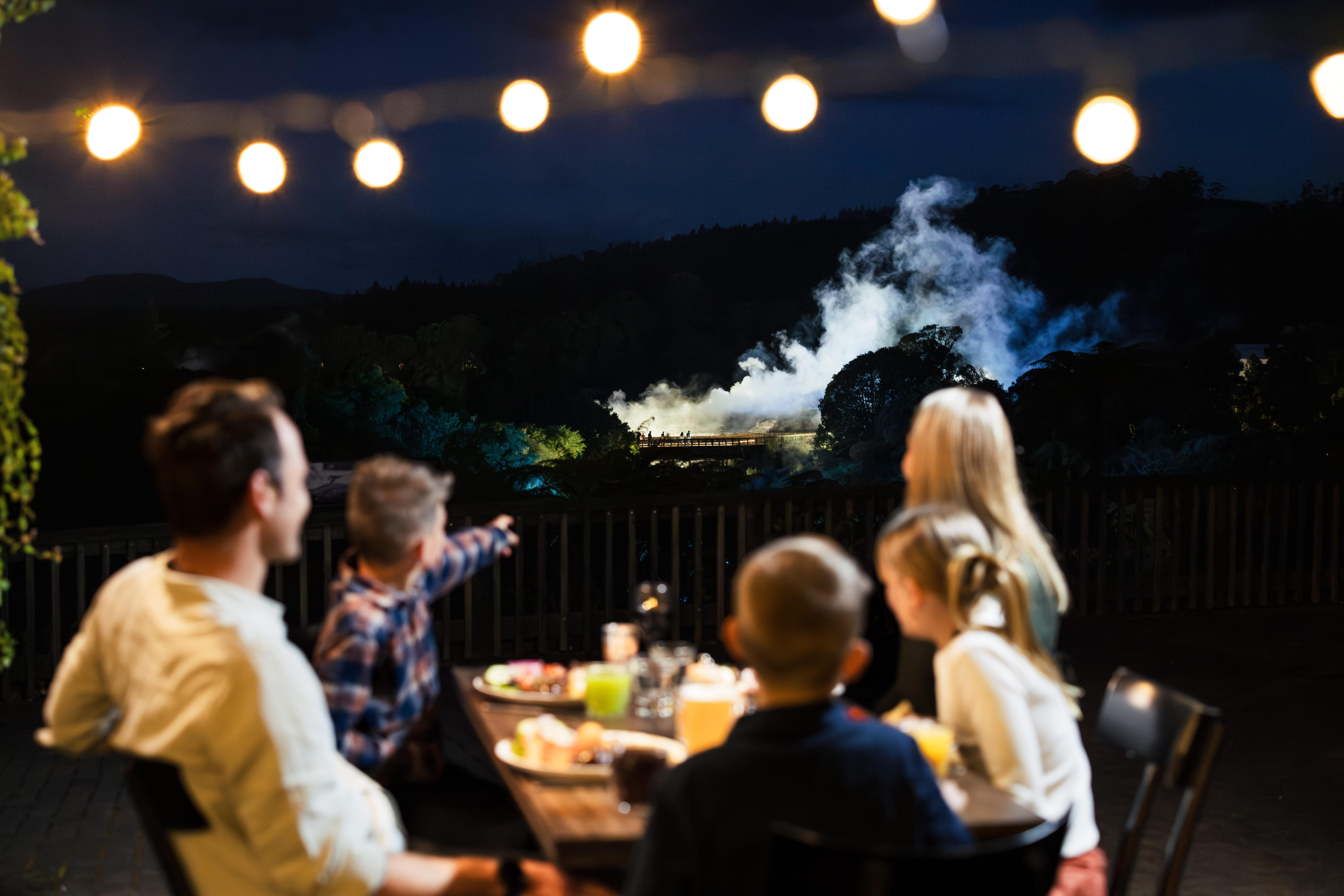
Authentic indigenous evening featuring ceremonial performances, ancestral storytelling, and chef-crafted seasonal cuisine in a forest setting
Reserve
Hand-picked by our editors — only the best 5 experiences from 40 reviewed.
Verified partners for every tour, free cancellation where available, and instant confirmation on every booking.
3 hr 30 min
Authentic indigenous evening featuring ceremonial performances, ancestral storytelling, and chef-crafted seasonal cuisine in a forest setting
Reserve
2 hr 30 min
Immerse yourself in indigenous traditions with ceremonial performances, geyser views, and earth-oven cuisine
Reserve
12 hr
Discover erupting geysers, colorful thermal pools, and authentic Māori traditions on this full-day adventure
ReservePrices from verified partners. Availability updates in real time at checkout. Free cancellation policies apply where shown.
The landmarks, rooms, and views travelers on this tour remember — all visible on a single visit.
The largest active geyser in the southern hemisphere, erupting up to 30 meters. It is a defining feature of your maori hangi and show rotorua visit.
Te Puia offers a deeper connection to geological wonders, while Mitai provides a more intimate, forest-based cultural encounter; choose the former for daytime geothermal landmarks or the latter for nocturnal riverside traditions.
| Feature | Top pick Te Puia | Mitai Māori Village |
|---|---|---|
Setting |
Geothermal valley and gardens | |
Geothermal Access |
Direct site access to Pōhutu Geyser | |
Dinner Style |
Hāngī buffet with traditional elements | |
Performance Focus |
Cultural history and arts education | |
Transfer Availability |
Available via pre-booked transport | |
Guided Experience |
Includes guided Te Rā tour | |
| See tickets → |
Verdict: Visitors seeking a comprehensive look at Māori culture alongside geothermal activity should secure their maori hangi and show rotorua tickets for Te Puia, while those preferring a smaller, bush-fringed evening setting may find Mitai Māori Village tours better aligned with their preferences.
Choose your ticket, select your date, and reserve in under two minutes. Secure checkout handled by our verified partner.
Instant confirmation by email, with a mobile voucher you can save offline. No printing, no queuing at a collection desk.
Arrive at the entrance, show your voucher on your phone, and walk in. Most tickets include priority or skip-the-line access.
Practical details for your visit straight from our verified partners — hours, access, rules, and how to get there.
Hemo Road, Rotorua 3040
Proceed to the visitor centre reception.
Follow Hemo Road south from Rotorua city center. Parking is available on-site.
Available from all major Rotorua hotels to Te Puia.
Wear comfortable walking shoes for the Te Puia grounds. As the maori hangi and show rotorua tours involve outdoor geothermal areas, dress in layers for changing weather.
Large backpacks are discouraged as there is no secure storage on-site. Keep personal belongings with you during your visit to the maori hangi and show rotorua venue.
Photography is permitted in most areas, but please respect cultural protocols regarding sacred carvings. Commercial filming requires prior written approval from Te Puia management.
Many paths are paved, though geothermal areas have natural gradients. Contact the operator in advance to discuss specific assistance for your maori hangi and show rotorua visit.
The attraction is suitable for all ages. Children will appreciate the educational aspects of the maori hangi and show rotorua cultural performances.
On-site dining options are available for guests. Experience a traditional maori hangi and show rotorua meal by booking ahead of your arrival.
Hemo Road, Rotorua 3040
Proceed to the visitor centre reception.
Get directionsBest time to go, insider tips, nearby landmarks, and the cancellation fine print — flip through to skim what matters to you.
How crowds, weather, and events shift across the year.
December to February offers warm weather for walking the geothermal paths. Expect higher visitor numbers during this peak period.
March to May provides milder temperatures and fewer crowds. Ideal for a relaxed maori hangi and show rotorua tour.
June to August is cooler, making the steam from geothermal features more visible. Excellent time for consistent availability.
September to November features blooming flora in the valley. Perfect for outdoor photography during your visit.
Small details that turn a good visit into a great one.
Ensure you secure your maori hangi and show rotorua tickets online in advance to guarantee your preferred slot. The 105 NZD standard entry is popular.
The Te Puia geothermal valley is open in most weather, but bring a raincoat for unexpected showers.
Utilize the 90-minute guided tour to gain deeper insight into the local history provided by Te Puia guides.
Carry water during your walk as geothermal areas can be dry and warm.
Arrive no later than 15:00 to make the most of your time before the 17:00 closing.
Non-bookable sights within a short walk — free to visit, easy to pair.
Famous for its towering Californian Redwoods and mountain biking trails.
Historic lake significance relative to local iwi.
Features historic architecture and manicured gardens near the city center.
Flexible, no hidden fees.
Cancellations made within the specified provider window may incur fees. Refer to your booking confirmation for refund eligibility regarding the 105 NZD entrance fee.
Hand-picked options within walking distance — pick a district for vibe, or a specific hotel for convenience.
Various hotels located close to amenities and local transport.
Quiet residential area near the attraction entrance.
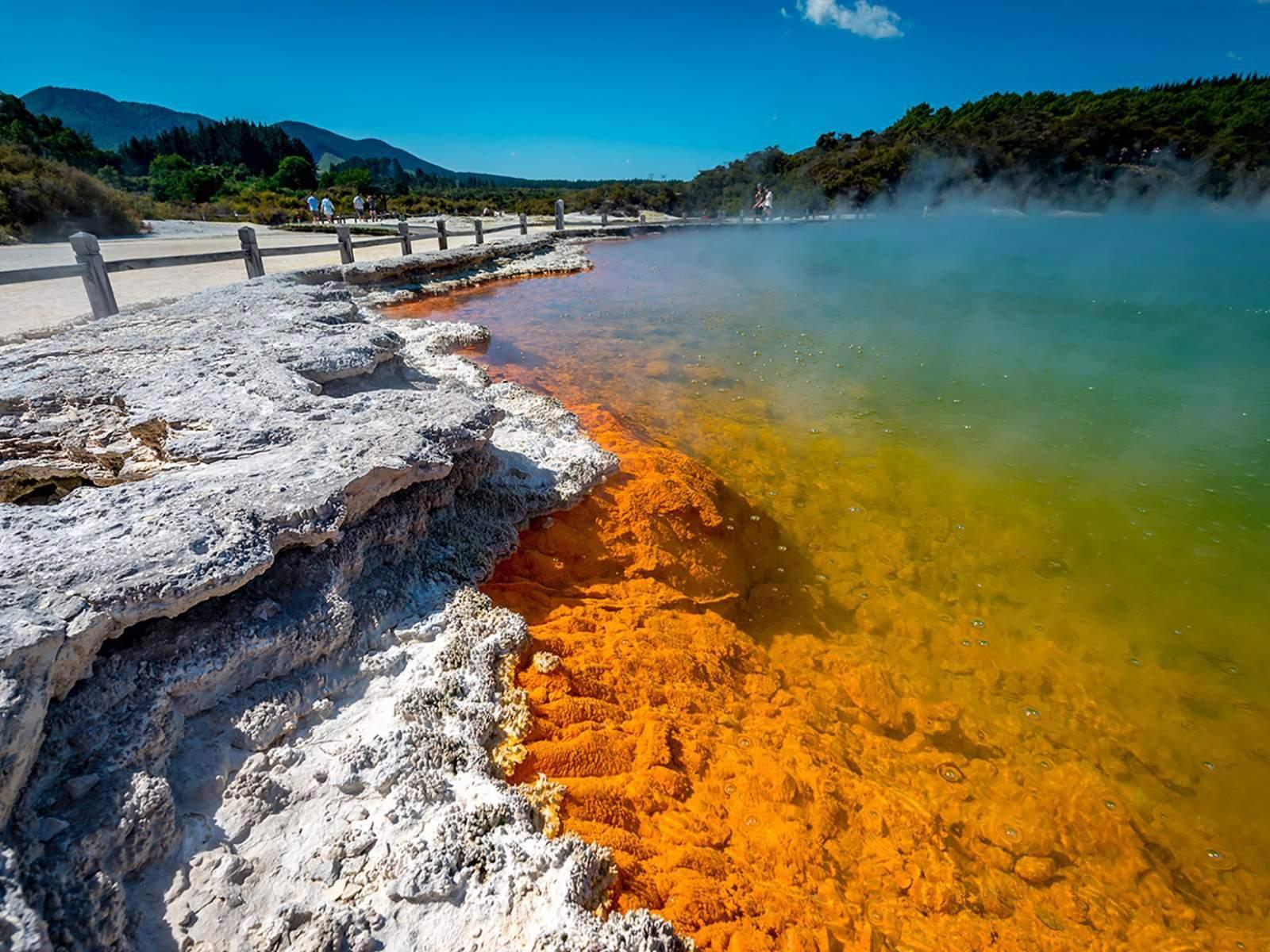
The earth beneath Whakarewarewa sits close to boiling, and Māori cooked in it for centuries. That geothermal larder is the reason a maori hangi and show rotorua tour exists at all: Tūhourangi Ngāti Wāhiao families used steam vents and hot pools as ovens long before the first paying visitor arrived. Pōhutu, the largest active geyser in the Southern Hemisphere, still erupts once or twice an hour, reaching around 30 metres. Its smaller neighbour, the Prince of Wales Feathers, usually spouts first. Te Puia occupies roughly 70 hectares of that thermal valley on Hemo Road, south of central Rotorua. In 1963 an Act of Parliament established the New Zealand Māori Arts and Crafts Institute on the site, and the place has functioned since as a working school rather than a display case. Te Wānanga Whakairo Rākau trains carvers in tōtara and pounamu. Te Rito teaches weaving in harakeke flax. Apprentices study for years, and their finished panels stand in marae across the country. The performance programme grew out of that teaching. A Rotorua Māori cultural show here draws its performers from the surrounding hapū, and the kapa haka repertoire — waiata, poi, the haka itself — is rehearsed in the same buildings where the carving chisels are kept. The hāngī follows the same logic. Rather than a pit lined with fire-heated stones, the kitchen uses geothermal steam boxes fed directly by the field beneath, an adaptation the valley made possible and few other marae can copy. Beyond the concert hall, the valley keeps its own arguments. Silica terraces and sinter flats spread white around the walking paths. Ngā Mokopuna mud pools blister and collapse. The Kiwi Conservation Centre holds North Island brown kiwi in nocturnal enclosures as part of a national breeding programme, one of the few places where the bird can be seen awake. Guided maori hangi and show rotorua tours move through all of it, and the Rotorua geothermal landmarks that surround Te Puia — the Whakarewarewa forest, the lakefront, the Blue Baths — mark the same volcanic seam. What the site preserves is not a fixed past but a set of skills still in daily use: carving, weaving, cooking, singing.
"The valley cooked long before it performed."
A step-by-step walkthrough of the visit — what you'll see, how long each stage takes, and the details that matter.
You come in off Hemo Road and the sulphur reaches you before the gate does. Your maori hangi and show rotorua tickets are checked at the entrance, and a guide gathers the group beneath the carved waharoa. The wero comes first: a warrior advances, sets down a token, and someone from your group steps out to lift it. Then the wharenui, shoes off, the karanga rising from the porch. Inside, the concert runs through waiata, poi and haka at close range — the front row sits about three metres from the performers. Afterwards you follow the boardwalk to the steam boxes, where the hāngī has been cooking in geothermal heat: kūmara, lamb, chicken, stuffing, all of it carrying the faint mineral smell of the ground it sat in. You eat with the valley hissing behind you. The 90-minute guided walk takes you past the Ngā Mokopuna mud pools to the Pōhutu terrace. You stand on warm sinter. Spray drifts sideways when the wind turns, so you keep the camera under your jacket between eruptions. On the way back you pass the carving school, where half-finished tōtara panels lean against the walls, and the kiwi house, where you wait a full minute in the dark for your eyes to adjust before the bird moves.
Te Puia is open 09:00–17:00 daily.
Yes, 105 NZD is the standard adult entry fee for the Te Rā guided experience at the attraction.
Yes, you can book your maori hangi and show rotorua tickets via the official site.
Arrive between 09:00–15:00 to allow time for your tour before the attraction closes.
There are no age restrictions, and families are welcome to enjoy the maori hangi and show rotorua performances.
Dining is available on-site; guests are encouraged to try the traditional food during their visit.
Photography is generally allowed, but guests should respect cultural protocols requested by the performers.
The site has paved areas, but guests should check with the operator for specific accessibility needs.
Te Puia is a short 10-minute drive or taxi ride from central Rotorua.
Check your booking confirmation as policies regarding the 105 NZD fee are specific to the vendor.